
- Looking tired despite adequate sleep usually points to a structural change in the face.
- Eye bags, ptosis, brow descent, and volume loss each produce a distinct appearance and have different underlying causes.
- The treatment approach is determined by the underlying factors present in a patient's condition. Addressing upper lid skin when ptosis is the actual problem, for example, tends to produce an incomplete result.
- Each cause has a corresponding surgical option. A personalised assessment determines which approach, if any, is appropriate.
Liposuction is one of the most requested cosmetic procedures in Singapore, yet it remains widely misunderstood. Social media posts and marketing claims often oversimplify the procedure, presenting it as a quick fix for weight management.
An informed choice requires understanding what liposuction can achieve, its limitations, and the recovery involved. This guide breaks down the pros, cons, techniques, and key considerations to help you evaluate if the procedure aligns with your goals.
What Is Liposuction?
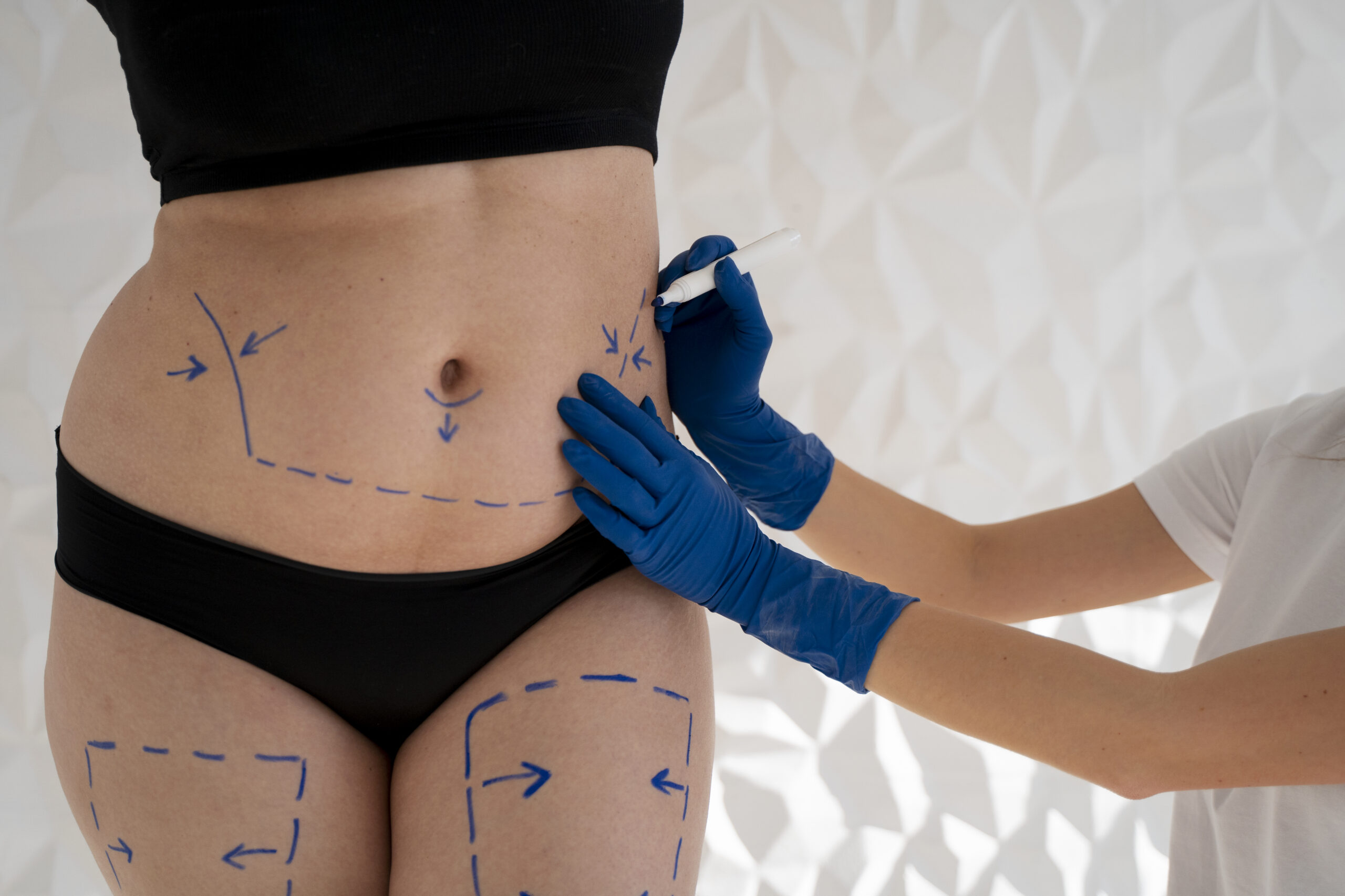
Liposuction is a surgical body-contouring procedure that removes localised fat deposits through a thin tube called a cannula, targeting areas that have not responded to diet or exercise. Sometimes shortened to “lipo”, it is not a weight-loss treatment, and that is where most misconceptions begin. It does not treat obesity, nor does it resolve cellulite or stretch marks.
What liposuction does is reduce the number of fat cells in a specific area. Because those cells do not regenerate, the change is generally long-lasting provided your weight remains stable. The areas most commonly treated include the abdomen, flanks, thighs, upper arms, back, chin and neck. Tummy liposuction is among the most frequently requested, though whether it suits you depends far more on your anatomy than on the popularity of any single area.
Liposuction Techniques
Depending on your tissue characteristics, fat distribution, and treatment area, your surgeon may recommend one of four main surgical approaches:
- Suction-assisted liposuction (SAL): The foundational approach, where tumescent fluid loosens fat before a cannula connected to a vacuum draws it out.
- Ultrasound-assisted liposuction (UAL or VASER): Ultrasound energy breaks down fat cells before they are suctioned away, which is well-suited to fibrous areas and revision cases.
- Water-assisted liposuction (Bodyjet): A gentle stream of saline dislodges the fat, reducing disturbance to surrounding tissue and often shortening recovery.
- Mechanical-assisted liposuction (MicroAire): A vibrating cannula moves steadily through denser tissue, allowing more controlled fat removal in areas that resist the standard approach.
The Liposuction Procedure: Step by Step
Before Your Procedure
The process begins with a thorough consultation. At Argent Plastic Surgery, Dr Lee Hanjing reviews your medical history, assesses the areas of concern, your suitability for the procedure and establishes what a realistic result would look like.
In the weeks that follow, a few practical adjustments are made. Certain medications, particularly blood thinners and NSAIDs, are stopped at least a week beforehand. Smoking is set aside for several weeks either side of surgery, since it interferes with healing at a tissue level. Any pre-operative tests are completed in advance.
Anaesthesia is discussed at the same time. Local anaesthesia is often appropriate for smaller areas, and general anaesthesia is used for larger or multi-area treatments.
During the Procedure
Liposuction is performed in an accredited day-surgery or hospital setting, usually takes about 1-3 hours depending on the areas indicated for liposuction. Tumescent fluid is administered to minimise bleeding and manage post-operative discomfort. Fat is extracted via small, strategically placed incisions.
After the Procedure and Recovery
Recovery moves through three broad phases, and knowing what to expect at each takes some of the guesswork out of the weeks that follow.
- The First Days and Weeks: A compression garment is worn for four to six weeks to support healing and shape the treated area. Some fluid drainage from the small incisions is normal in the first days, and swelling and bruising typically settle within two to four weeks.
- Returning to Activity: Light activity can usually be resumed within a few days, while strenuous exercise waits for at least four weeks.
- The Full Result: A clearer picture emerges by four to six weeks, and the definitive outcome is generally apparent between three and six months.
Follow-up appointments are their own step in the process. They are where healing is tracked, questions raised as they surface, and the result confirmed to be settling as expected.
The Pros and Cons of Liposuction
A balanced assessment requires weighing clinical benefits against surgical risks and lifestyle commitments.
Pros of Liposuction
- Targeted Contour Improvement: Reshapes specific zones that do not respond to physical exercise or caloric restriction.
- Long-Lasting Fat Cell Reduction: Removed fat cells do not return. Remaining cells will only enlarge if significant weight gain occurs.
- Multi-Zone Capability: Multiple body areas can often be addressed within a single surgical session, subject to safe fluid and volume limits.
- Minimally Invasive Incisions: Uses small entry punctures rather than long surgical incisions, minimising visible scarring compared to open skin-excision surgeries (such as a tummy tuck).
Cons and Limitations of Liposuction
- Does Not Prevent Future Weight Gain: Remaining fat cells in treated and non-treated areas can still expand if overall body weight increases.
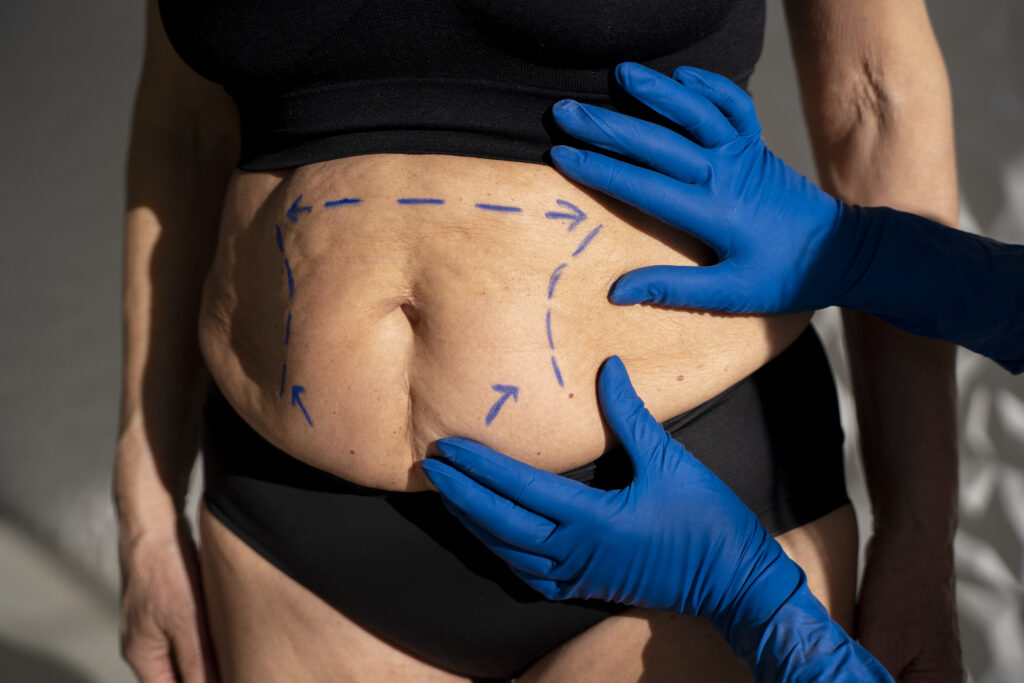
- Requires Good Skin Elasticity: If skin tone is poor or laxity is significant, removing underlying fat can leave skin looking loose or uneven.
- Inherent Surgical Risks: As with any surgical procedure, risks include infection, hematoma, persistent swelling, asymmetry, contour irregularities, or adverse reactions to anaesthesia.
- Mandatory Recovery Downtime: Wearing medical compression garments and taking time off work and strenuous activity are necessary for proper healing.
Choosing the Right Surgeon for Liposuction in Singapore
In addition to the technique, the assessment by a qualified plastic surgeon shapes the outcome. A surgeon who examines your skin quality, fat distribution and underlying anatomy before recommending a course of action is far more likely to give you a result you are pleased with.
At Argent Plastic Surgery, Dr Lee Hanjing will walk you through the options for liposuction surgery in Singapore, providing you with an assessment according to your needs.
Cost of Liposuction Singapore
Liposuction is classified as an elective cosmetic procedure and is generally not covered by private health insurance or MediSave in Singapore, except in specific medically indicated cases. The price of this procedure depends on how many areas are treated, the technique the plan calls for, the type of anaesthesia, and the facility where the procedure takes place.
Key Considerations Before Deciding on Liposuction
Before proceeding with a consultation, consider the following questions:
- Is your weight stable? Liposuction produces the best results when you are near your target body weight.
- Are your expectations aligned with body contouring? Liposuction refines proportions; it does not change overall weight on the scale.
- Do you have adequate skin elasticity? A clinical examination determines whether your skin will contract smoothly over the new contour.
- Are you prepared for recovery? Adhering to post-operative instructions and wearing compression garments directly affects your final result.
If you are considering body contouring, a formal assessment with Dr Lee Hanjing at Argent Plastic Surgery can evaluate your tissue dynamics, discuss appropriate surgical techniques, and establish an individualised treatment plan.