

Labiaplasty Surgery in Singapore
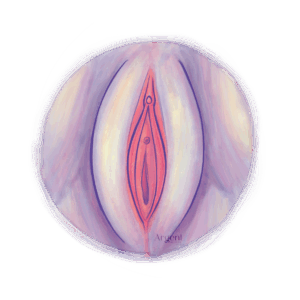
Labiaplasty is a surgical procedure that reshapes, contours, or reduces the size of the labia, the folds of tissue surrounding the vaginal opening. For some patients, the decision to seek treatment follows years of managing physical discomfort during exercise or intimate activity. For others, it begins with a personal desire to address structural asymmetry or prominent tissue.
The procedure can address the inner folds (labia minora), the outer folds (labia majora), or both simultaneously. Every surgical plan is customised around the patient's unique anatomy and functional goals.
Reasons to Consider a Labiaplasty
The concerns that lead patients to explore labiaplasty are frequently multifactorial, involving both functional limitations and personal comfort.
- Alleviating Physical Discomfort: Friction, chafing or irritation during exercise, sport or everyday activity is among the most frequently reported functional concerns. Enlarged or asymmetrical labia can be the structural cause, and labiaplasty can address it.
- Improving Personal Hygiene: Excess labial tissue can sometimes create folds that make routine personal hygiene more challenging to maintain. Streamlining the contour can help simplify daily care.
- Reducing Intimate Discomfort: Enlarged labia minora can cause discomfort during sexual intercourse. Where this is the case, addressing the structural cause may help alleviate it.
- Enhancing Body Confidence: Dissatisfaction with labial symmetry or appearance can affect how some individuals feel about their bodies. Labiaplasty can address these concerns as part of an individually considered plan.
Types of Labiaplasty Procedures
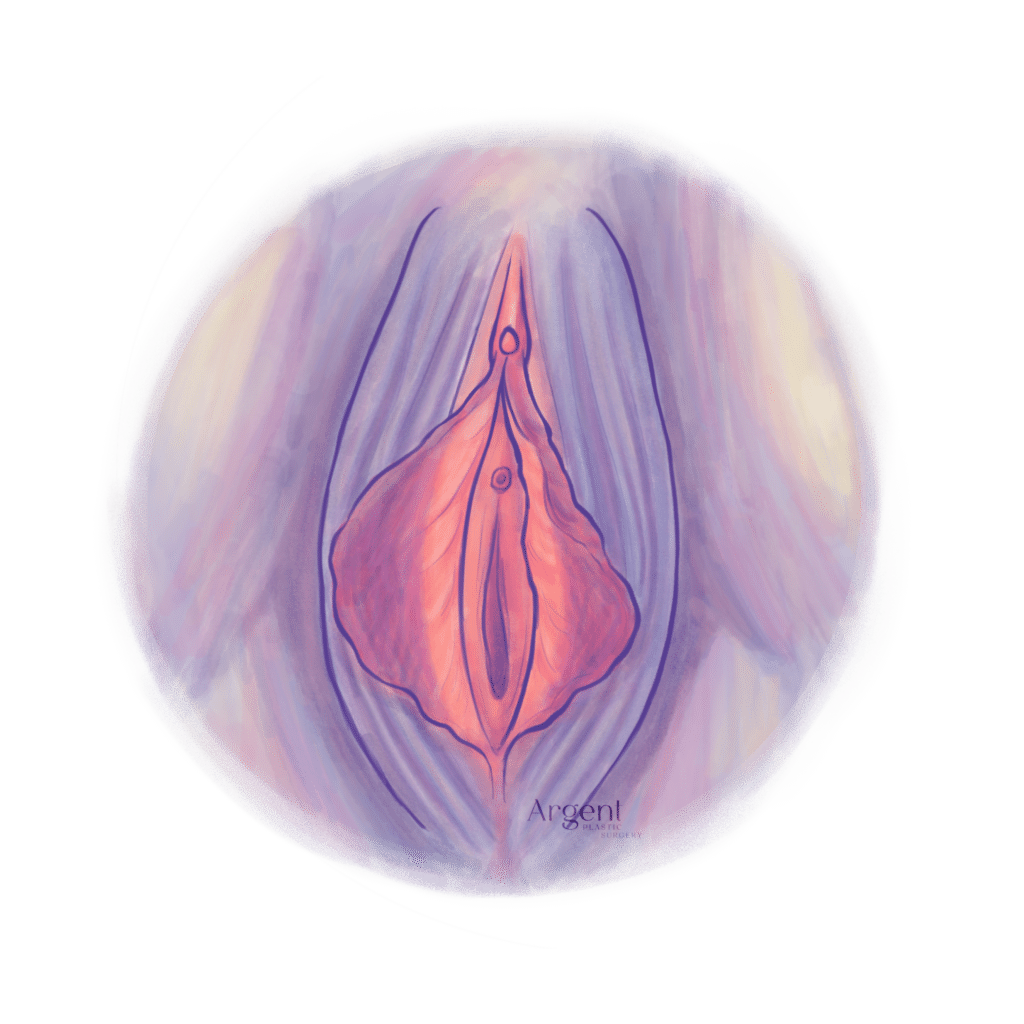
The vulva has two sets of folds: the labia majora (the outer lips) and the labia minora (the inner lips). Labiaplasty may address either, or both, shaped precisely around what each patient's anatomy requires and what they are hoping to resolve.
Fat Grafting to the Labia Majora
Fat grafting to the labia majora restores volume to the outer folds using the patient's own fat. The fat is drawn from a donor site, typically the abdomen, thighs or buttocks, through a small liposuction process. It is then purified and carefully injected to improve fullness and contour. Because the material is the patient's own tissue, the body accepts it without the risk of allergic reaction or rejection.
Benefits
- Improved symmetry and fullness of the outer folds
- Minimal risk of allergic reactions or rejection
- The procedure can be combined with liposuction surgery of the donor site, allowing both areas to be addressed in a single operation
Limitations
- Temporary Results: Not all transferred fat will survive long-term. Some volume reduction over time is to be expected, and the degree varies by individual.
- Volume Variability: The final result is influenced by surgical technique, the patient's physiology, and how the recovery period is managed.
- Minimal Impact on Labia Minora: Fat grafting to the labia majora does not change the size, shape, or asymmetry of the labia minora.
Labia Minora Reduction
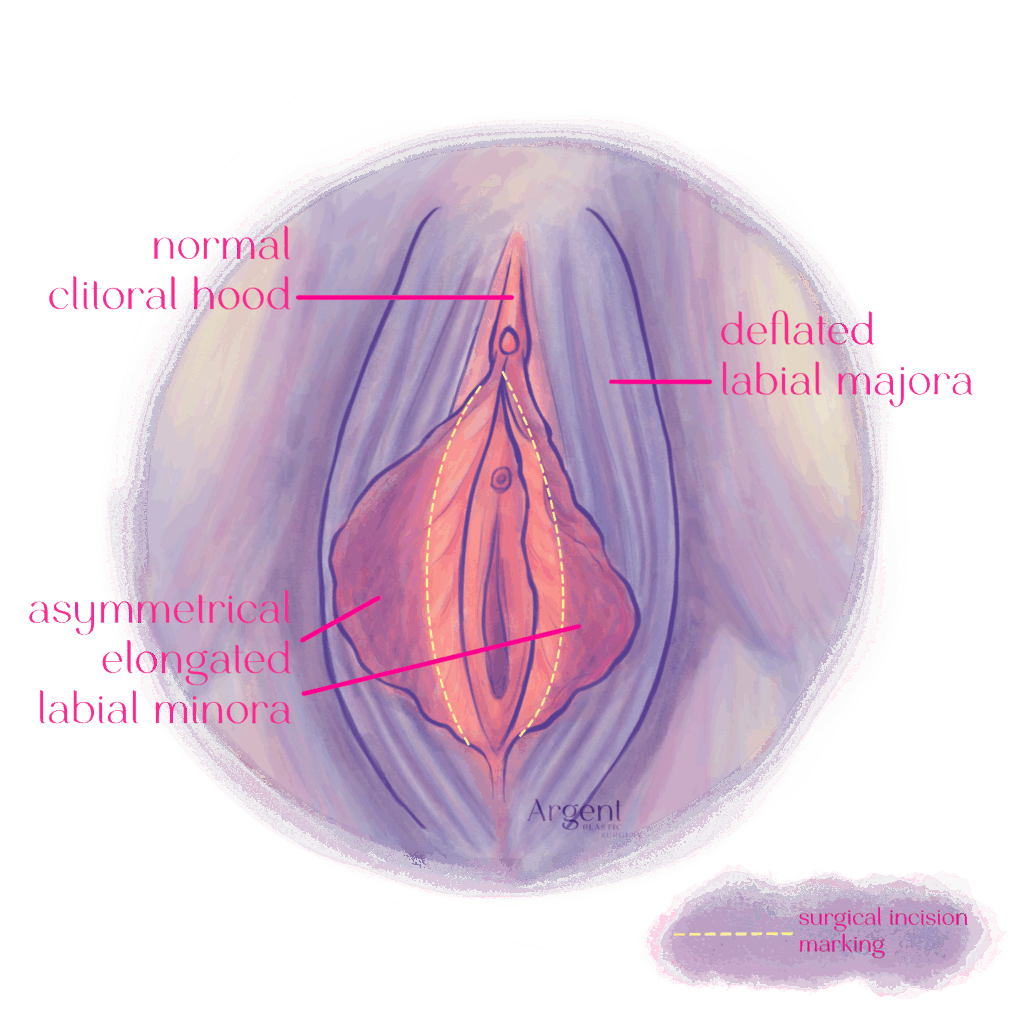
Labia minora reduction addresses excess tissue in the inner folds of the vulva. This surgery is ideal for individuals who experience discomfort, irritation or self-consciousness related to enlarged or asymmetrical labia minora.
During the procedure, Dr Lee removes the excess tissue and refines the contour to achieve symmetry and proportion with the surrounding anatomy, while preserving the natural shape of the labia.
Benefits
- Reduced discomfort during physical activity and daily life
- Improved symmetry and proportion of the inner folds
- Minimal scarring
Limitations
- No Impact on Sexual Sensitivity: Does not enhance sexual sensitivity.
- Minimal Impact on Labia Majora: Labia minora reduction specifically targets the inner lips of the vulva and does not affect the appearance, size, or shape of the labia majora.
- No Impact on Vaginal Laxity: This procedure does not tighten the vaginal canal or address issues related to vaginal laxity.
- Healing and Downtime: Full healing takes several weeks, during which physical activity and sexual intercourse should be avoided.
Clitoral Hood Reduction
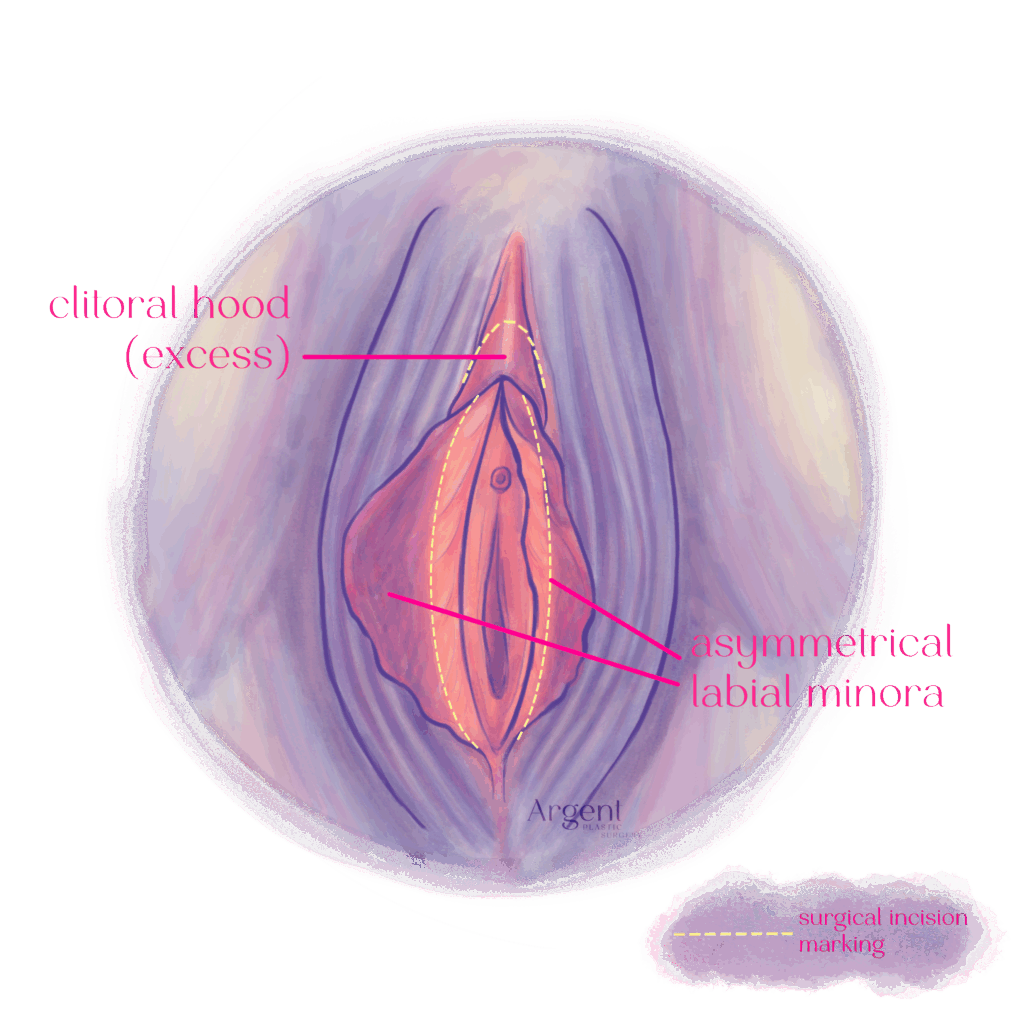
Clitoral hood reduction, also known as clitoral hoodoplasty or hoodectomy, addresses excess tissue in the fold of skin that covers and protects the clitoris. In some patients, this tissue is more prominent and can cause discomfort, friction or aesthetic concern.
During clitoral hood reduction surgery, the excess tissue of the clitoral hood is removed to achieve a more proportionate appearance. This approach ensures that the clitoris remains fully exposed and accessible while preserving its sensitivity and functionality.
Benefits
- Reduced friction and discomfort during physical and intimate activities
- Improved proportion and appearance of the clitoral region
- Clitoral sensitivity and function are preserved
Limitations
- No Enhancement of Sexual Sensitivity: Increasing clitoral exposure does not guarantee enhanced sensitivity.
- Limited Overall Aesthetic Improvement: Clitoral hood reduction improves the appearance of the clitoral area but does not address overall vulvar aesthetics.
- Recovery: Complete healing may take weeks, and there may be restrictions on physical and sexual activity during this period.
Surgical Techniques for Labia Minora Reduction
Two surgical techniques are used for labia minora reduction, and the choice between them is made at assessment. Each has distinct characteristics, and the appropriate approach is determined by the individual’s anatomy, the distribution of excess tissue, and the desired outcome.
- Trim Technique: The most commonly used approach. Excess tissue is removed along the free edge of the labia minora and the wound is closed with absorbable sutures. This method reduces overall size directly and reliably.
- Wedge Technique: A partial-thickness wedge of tissue is removed from the thickest portion of the labia minora. This approach preserves the natural mucosal edge and labial pigmentation, maintaining the appearance of the labial border more closely.
Dr Lee Hanjing will assess your anatomy at consultation and recommend the technique most suited to your individual situation.
The Labiaplasty Procedure
Consultation
Your care begins with a private, one-on-one consultation with Dr. Lee Hanjing. She will evaluate your anatomy, discuss your primary concerns, and outline the most appropriate surgical techniques. The setting is private and unhurried. There is no obligation to proceed, and no question is too sensitive to ask.
Preoperative Preparation
To ensure optimal healing and patient safety, pre-surgical guidelines typically include:
- A thorough medical evaluation to confirm surgical fitness.
- Temporarily pausing specific blood-thinning medications and supplements under medical supervision.
- Abstaining from smoking and alcohol for a designated period before and after surgery to support healthy tissue recovery.
In strict compliance with Ministry of Health (MOH) guidelines for elective surgeries, a mandatory one-week cooling-off period is observed between your initial consultation and the scheduling of any surgical procedure to give you ample time to make an informed decision.
Surgery
Labiaplasty is performed as a day procedure at Mount Alvernia Hospital. The following gives a sense of what to expect:
- Anaesthesia: The procedure is typically performed under local anaesthesia. The type will depend on the nature of the procedure and your preferences, which Dr Lee will discuss at consultation.
- Duration: Surgery generally takes 45 to 60 minutes.
- Discharge: This is a day surgery procedure, and most patients are discharged the same day.
- Postoperative Care: Before you leave, Dr Lee's team will provide clear wound care instructions and arrange your follow-up appointments.
Recovery
Recovery from labiaplasty follows a gradual progression, and the pace varies between patients. The timelines below are a general guide.
- First Few Days: Swelling, bruising and some discomfort are expected. Rest is recommended, and light movement around the home is fine.
- Two to Three Days: Light activities can generally be resumed as comfort allows.
- One Week: Most patients who work at a desk are able to return within a week.
- One to Two Weeks: Swelling typically subsides over this period.
- Four to Six Weeks: Sexual intercourse and strenuous physical activity should be avoided for at least four to six weeks, or until Dr Lee advises otherwise.
- Three Months: Swelling resolves gradually; final results are generally settled by around this point.
Dr Lee may prescribe medication to manage discomfort, reduce swelling and support healing. Follow-up appointments are arranged to monitor recovery and address any questions that arise.
Cost of Labiaplasty in Singapore
The final price depends on the type of procedure, the complexity and extent of tissue involved, the form of anaesthesia required, and the associated facility and anaesthetist fees. Post-operative medications and follow-up appointments form part of the overall cost.
A comprehensive, transparent cost breakdown is provided immediately following your clinical evaluation. Because labiaplasty is typically categorised as an elective cosmetic or functional contouring procedure, it is generally not covered by standard medical insurance policies unless a specific medical necessity is documented.
Individual Care and Consultation Protocols
We understand that choosing to explore labiaplasty involves highly personal considerations. Dr. Lee Hanjing provides an approachable, private setting to evaluate your concerns, map out your unique anatomy, and discuss realistic surgical outcomes.
Our clinic is dedicated to making your surgical journey as comfortable and reassuring as possible. All consultations are conducted individually, and your personal information is protected under strict healthcare privacy frameworks.