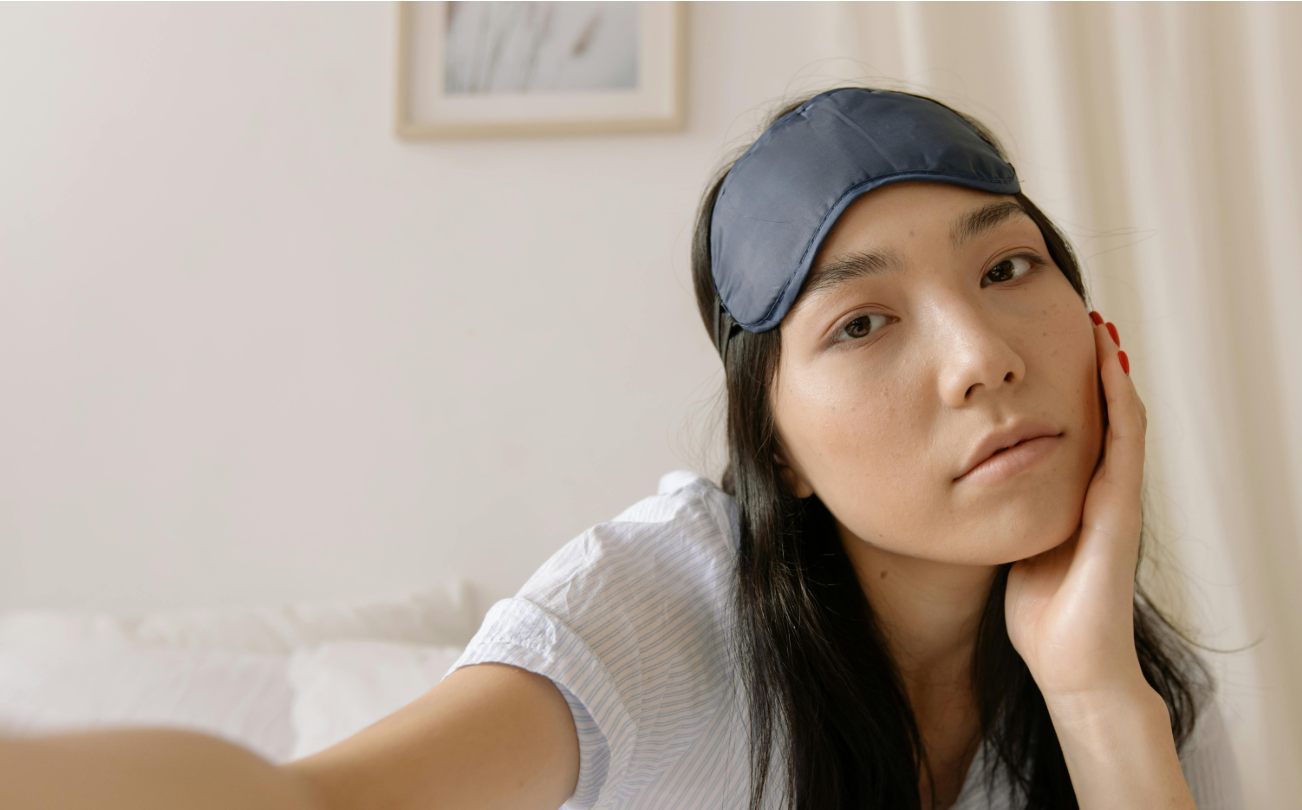
- Looking tired despite adequate sleep usually points to a structural change in the face.
- Eye bags, ptosis, brow descent, and volume loss each produce a distinct appearance and have different underlying causes.
- The treatment approach is determined by the underlying factors present in a patient's condition. Addressing upper lid skin when ptosis is the actual problem, for example, tends to produce an incomplete result.
- Each cause has a corresponding surgical option. A personalised assessment determines which approach, if any, is appropriate.
Eight hours of sleep, nothing unusual is happening, and yet your reflection looks worn. Then, a co-worker asks if you’re alright, and a friend mentions you look run-down. But you’re not tired, and you haven’t been for a while.
For many people, this has nothing to do with rest. It comes down to structural changes that accumulate in the face over time, particularly around the eyes and upper face. These are not changes that sleep, hydration or eye creams can address. They have specific anatomical causes, and they respond to specific approaches.
Why Do I Look Tired All The Time? The Structural Causes Behind Tired-looking Eyes
The area around your eyes is where structural change shows up first, and the causes vary in how they appear.
Eye Bags
Eye bags form when the fat pads beneath the lower eyelid push forward through the membrane that normally contains them. That membrane, the orbital septum, loses strength with age.
For some people, a tendency toward prominent lower lid fat runs in the family, which is why eye bags can appear in the mid-twenties or even earlier.
This leads to a constant puffiness under the eyes that stays regardless of how much sleep you’ve had. It creates a shadow under the eye, especially in bright or overhead light, which makes the lower lid look heavier. The area below the bulge often looks hollow by contrast, which adds to the tired appearance.
Eye creams, cold compresses and sleep cannot address this. They may reduce temporary fluid retention that exaggerates the appearance, but the structural cause, the displaced fat, remains in place.
Ptosis (Droopy Upper Eyelids)
Ptosis is the drooping of your upper eyelid caused by weakening, stretching, or partial detachment of the levator aponeurosis, the tendon that connects the muscle that lifts your eyelid. When your lid sits lower than it should, it partially covers the iris, making your eye appear smaller, heavier, and less alert.
People with ptosis often raise their eyebrows without realising it, using their forehead muscles to help lift the eyelid. It can show up in photos as a tense, raised brow over eyes that still look tired. This effort can make your face look even more tired in photos due to muscle fatigue.
Ptosis can be present from birth or develop gradually with age. In many adults, it progresses slowly enough to be attributed to simply ‘looking tired’ for years before the eyelid itself is identified as the source. One side is sometimes more affected than the other, which adds to an impression of asymmetry.
In some cases, eyelid drooping can have neurological or systemic causes that require assessment before any surgical plan is made. A thorough consultation will identify whether surgery is appropriate.
Brow Descent
As we age, the brows settle lower on the face. The result crowds your upper lid, compresses the space between brow and lash, and makes your eyes appear smaller and more closed off.
Your expression can shift toward looking sad or stern without any particular emotion behind it.
Most people try holding their brows higher all day by tensing their forehead muscles. Over time, this may cause horizontal forehead lines and a kind of visual effort on the face, even when the person is at ease. The tired face that shows up in the mirror at the end of the day is partly the result of that sustained compensation.
Skin Quality and Volume Loss
The eyelids and brows aren’t the only things that change. As the face loses the volume that keeps it full, the midface flattens. The area beneath the eye hollows into what is called the tear trough. The cheek deflates slightly, reducing the support it provides to the lower lid. Skin loses the resilience and luminosity that reflects light well.
The effect is a face with more shadow in the central areas and less fullness, which reads as rested and alert. These changes tend to happen so slowly that they are easy to overlook. Most people feel like they simply look older, without identifying which specific shifts are driving it.
How to Restore a Rested Appearance
Each of the above has a corresponding surgical approach. The key to a well-matched result of fixing tired-looking eyes is identifying the actual cause first, then determining the approach for the correction.
Eye Bag Removal (Lower Blepharoplasty) in Singapore
Eye bag removal through lower blepharoplasty targets the protruding fat pads. Depending on your anatomy, the fat can be taken out or moved. When there is also a hollow under the eye, it’s better to move the fat, addressing both the bulge and the hollow in a single procedure.
Recovery typically allows a return to most daily activities within one to two weeks, with residual swelling settling gradually over the weeks following that.
Ptosis Surgery in Singapore
Ptosis surgery addresses the levator muscle directly, tightening or repositioning it to restore the eyelid to its natural height. The specific technique depends on levator function, which is assessed during consultation. After the surgery, the eye appears open and alert, and the brow-lifting that many patients have been maintaining for years is no longer needed.
For individuals with excess skin on the upper lid, ptosis surgery is often combined with upper blepharoplasty for a complete correction of the upper eye area.
Brow Lift Surgery in Singapore
A browlift repositions the descended brow, restoring the natural arch and opening the upper face. For patients whose tired appearance is being driven partly by brow position, addressing the lid alone will not fully resolve it. The brow position needs to be part of the correction.
Browlift and upper blepharoplasty are often performed together in patients who present with both descended brows and excess upper lid skin. Treating both at once usually yields better results than treating just one.
Technique varies by anatomy and hairline position, and this is assessed during consultation.
Facial Fat Grafting for Volume Loss
Facial fat grafting addresses volume-related tiredness by restoring the underlying structure that gives the midface its fullness and support. Your own fat is harvested from elsewhere on the body, processed and reinjected into areas that have lost volume over time, including the tear trough, cheeks and under-eye region.
This results in a face with less shadow in the central areas and more of the natural fullness that reads as rested. The transferred fat integrates over several months, and the final result reflects individual biological response.
Why the Right Diagnosis Matters More Than the Right Procedure
Your tired appearance could be coming from one thing or from several at once.
- If you have ptosis but the treatment focuses on excess upper lid skin, you’ll still look tired after recovery. Removing skin doesn’t open the eye; however, repositioning the levator does. The actual cause was never addressed.
- A patient with tear trough hollowing treated only for eye bags may end up looking more hollow after surgery, not less. Removing the fat pad without addressing the hollow beneath it exaggerates the shadow.
- A patient with brow descent whose treatment focuses solely on the lid may find the improvement incomplete.
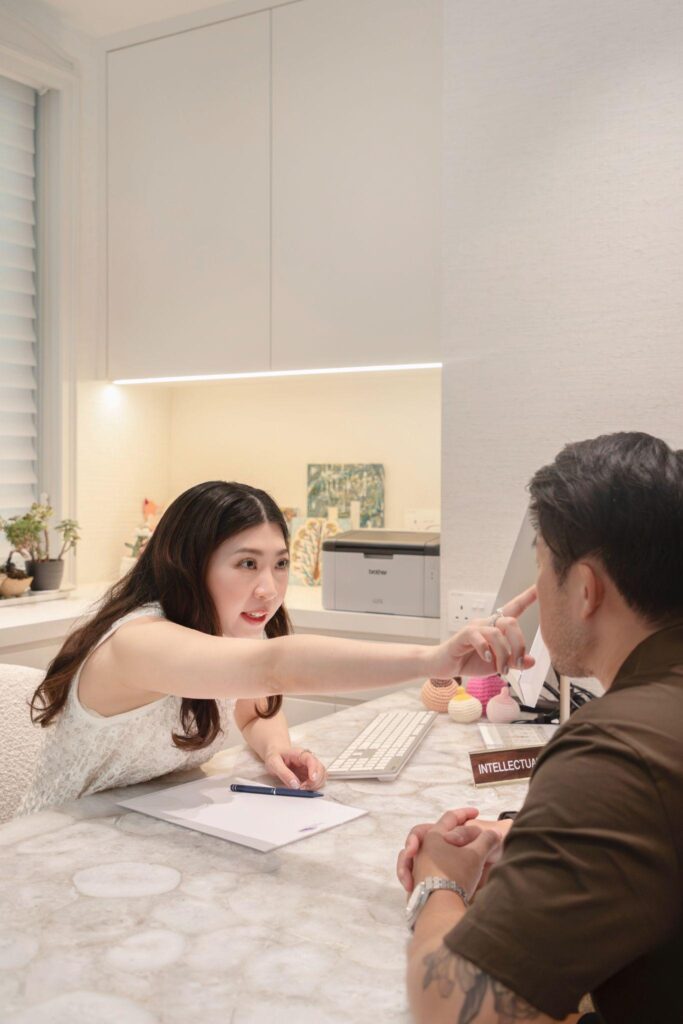
This is why a thorough assessment comes first. The same tired face can have four different causes. Matching the treatment to what’s actually there is what separates a result that works from one that doesn’t.
Looking Awake Again: Tired Eyes Treatment in Singapore
Once the face has changed structurally, rest alone cannot reverse it. Eye bags, ptosis, brow descent and volume loss each have distinct causes, and each responds to a specific approach. Most people are not looking for a different face. They want their own face to look the way it used to when it reflected how they actually felt.
Book a consultation with Dr Lee Hanjing at Argent Plastic Surgery to find out which of these causes applies to you and what, if anything, can correct it.