
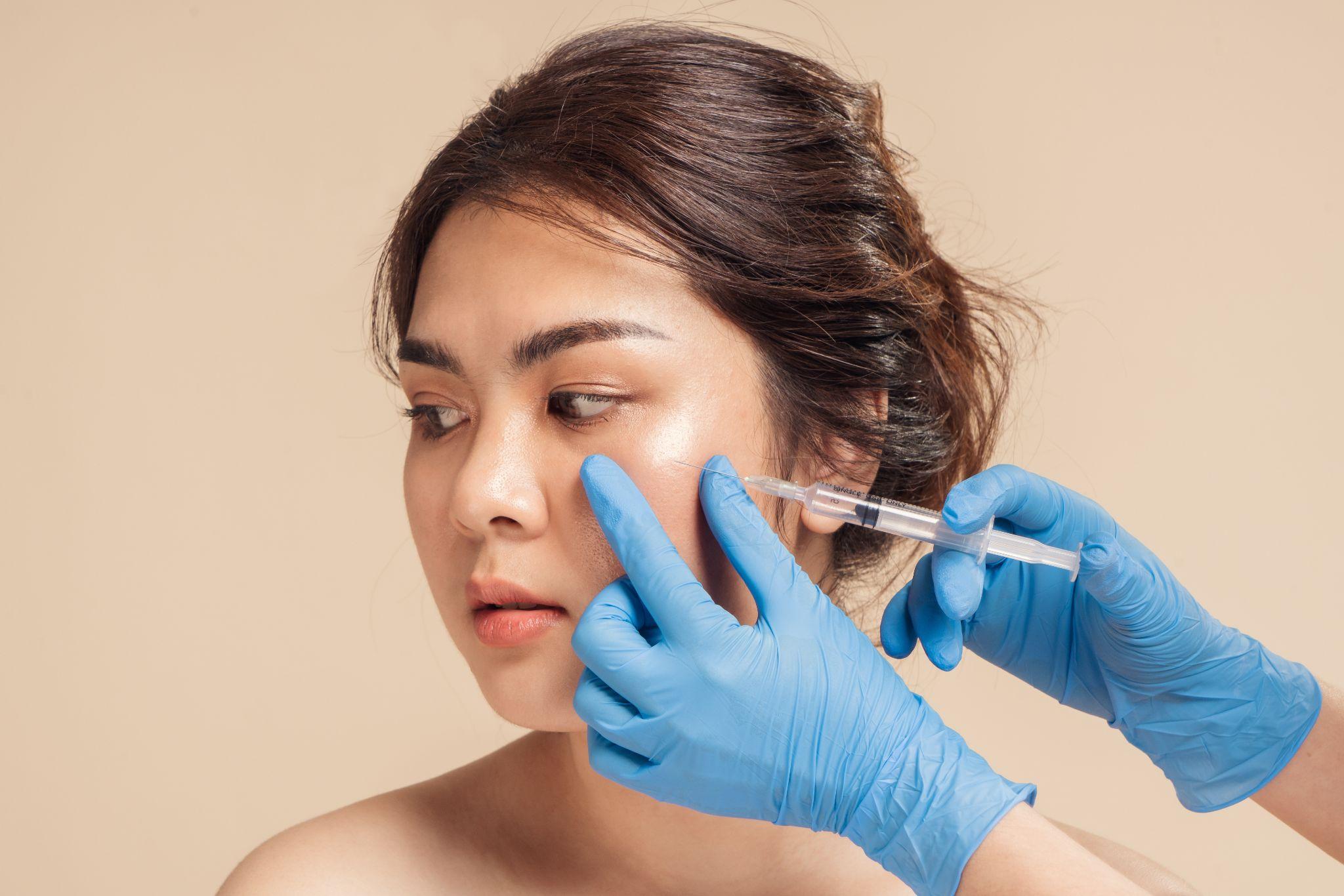
- Looking tired despite adequate sleep usually points to a structural change in the face.
- Eye bags, ptosis, brow descent, and volume loss each produce a distinct appearance and have different underlying causes.
- The treatment approach is determined by the underlying factors present in a patient's condition. Addressing upper lid skin when ptosis is the actual problem, for example, tends to produce an incomplete result.
- Each cause has a corresponding surgical option. A personalised assessment determines which approach, if any, is appropriate.
Fine lines draw attention, but they rarely do the most work in how a face changes with age. More often, it is volume. The facial fat pads naturally deplete and descend over time, midface contours soften, and a once-rested appearance can begin to look hollowed or flat. Because these changes are structural, addressing them effectively requires a structural approach.
For individuals in Singapore exploring options to restore lost facial volume, the choice usually centres on two well-established modalities:
- Dermal fillers, a non-surgical, clinic-based injectable
- Facial fat grafting (also referred to as facial fat transfer), a minor surgical procedure that uses your own tissue to restore volume.
However, weighing the two options is not a simple comparison. Each serves distinct clinical indications, anatomical requirements, and lifestyle needs. This guide outlines how both procedures work, where each excels, their respective limitations, and how to evaluate which option aligns best with your goals.
What Are Dermal Fillers?
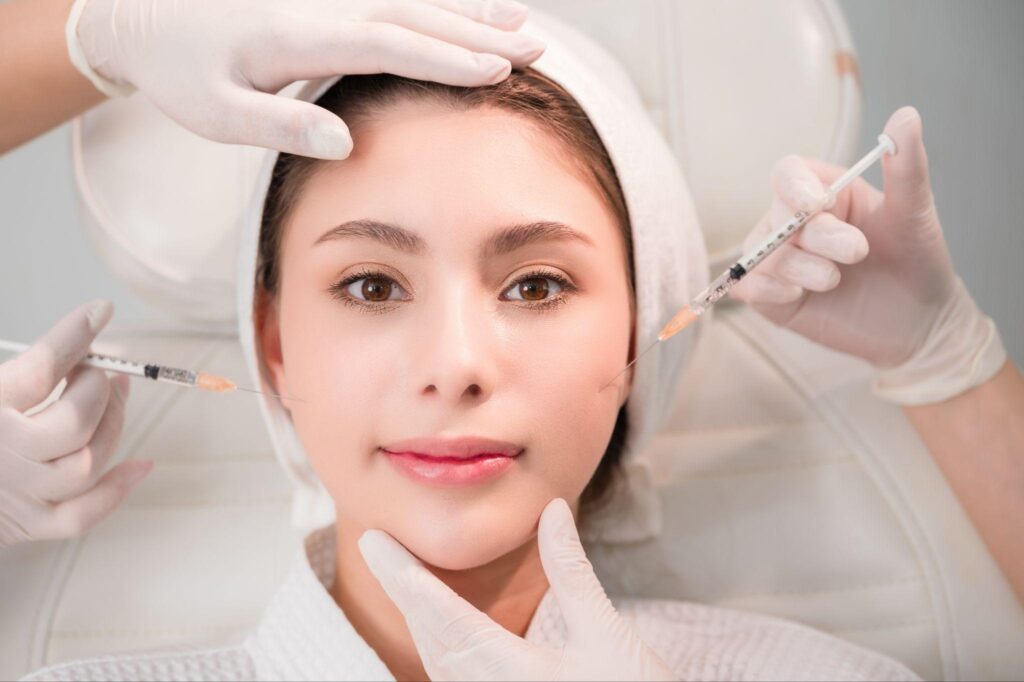
Dermal fillers are injectables used to restore volume, smooth structural folds, and enhance specific facial contours. Most commonly formulated from hyaluronic acid (HA), a naturally occurring sugar molecule in the human body that binds water. These gels plump targeted tissues from beneath the skin layer.
This treatment is usually carried out in a single clinic visit, typically takes under an hour, and produces results that are visible immediately. They are popular for refreshing the cheeks, tear troughs, lips, jawline, chin, and the nasolabial folds that run from the nose to the corners of the mouth.
The effects of fillers are temporary. Depending on the product used, the area treated, and how the individual metabolises the material, most results last between six and eighteen months before a top-up is needed to maintain the results.
What Is Facial Fat Grafting?
Facial fat grafting is a surgical procedure in which fat is harvested from one area of the patient’s body, processed to isolate the healthy cells, and reinjected into areas of the face where volume has been lost.
The process involves three key steps:
- Harvesting: Fat is collected via low-pressure liposuction from donor areas with sufficient localised fat, such as the abdomen, outer thighs, or flanks.
- Purification: The harvested tissue is processed via centrifugation or washing to separate intact fat cells and stem cell fractions from fluid and debris.
- Micro-injection: Purified fat is meticulously placed in structural micro-droplets across target areas like the temples, cheeks, tear troughs, jawline, and chin.
Because autologous fat utilises your own tissue, there is no risk of foreign-body rejection. Over the initial weeks, transferred fat cells establish a local blood supply (neovascularisation) and integrate permanently into the surrounding facial tissue.
However, not all the transferred fat cells survive. Typically, a portion of the grafted volume is reabsorbed by the body during the first 3 to 6 months post-procedure. The remaining retained fat becomes permanent living tissue. Depending on individual survival rates, a secondary touch-up session may occasionally be recommended once the initial result stabilises.
Note: In specific clinical contexts, superficial micro-fat or nano-fat grafting techniques may be utilised for delicate skin texture refinement or localised contour irregularities rather than primary deep structural volumization.
How Facial Fat Grafting and Dermal Fillers Compare
Dermal Fillers | Facial Fat Grafting | |
Longevity | Temporary; top-ups needed every 6–18 months | Long-lasting once the fat establishes itself; touch-ups are occasionally needed |
Procedure | Non-surgical, in-clinic | Surgical, under sedation or general anaesthesia |
Downtime | Minimal | 1–2 weeks of facial swelling; a few days at the harvest site |
Natural look and feel | Excellent in skilled hands; cumulative top-ups over years can create unwanted heaviness | Integrates with your own tissue; moves and ages naturally with your face |
Cost over time | Lower upfront; cumulative maintenance often matches or exceeds fat grafting over years | Higher upfront; generally a one-off investment |
Skin quality | Volume only | May subtly improve skin texture over time through growth factors in the transferred fat |
Reversible? | Yes, with hyaluronic acid products | No |
Comparing Specific Areas by Treatment Type
Different parts of the face respond differently to each option. The under-eyes, lips, cheeks and jawline each have their own quirks, and what works beautifully in one area can be the wrong choice in another. The table below sets out where dermal filler tends to suit each area best vs where fat grafting is the more considered choice.
Area | Dermal Fillers | Facial Fat Grafting |
Tear Troughs & Under-eyes Regional |
|
|
Lips & Perioral Region |
|
|
Cheeks & Midface |
|
|
Jawline & Chin |
|
|
The short version: fillers tend to shine where adjustability matters and the concern is local, fat grafting where the goal is a softer, more integrated result across a larger area. For some faces, the answer is one applied thoughtfully to all four areas. For others, it is a mix.
Which Option Fits Your Profile?
Fillers may be the right starting point if:
- You want to see what added volume looks like before committing to surgery
- Your concern is localised and does not warrant a surgical approach
- You value flexibility and the option to adjust or reverse the result
- You prefer a non-surgical option with minimal disruption to your daily schedule.
Fat grafting may suit you better if:
- Volume loss is more widespread across the face
- You have been maintaining filler for years and want something longer-lasting and more natural
- You are undergoing concurrent facial surgical procedures, such as a blepharoplasty or facelift, where fat transfer can complement the overall outcome.
- You prefer using your own natural tissue rather than synthetic materials.
Understanding the Risks of Fat Grafting and Dermal Fillers
While both options are safe in the hands of someone with the clinical skill and judgement to assess you properly, neither is without risk, and a good consultation addresses both sides of this honestly.
With dermal fillers, the risks include:
- Lumpiness or asymmetry
- Bruising and swelling
- Vascular occlusion, a rare but serious complication that can occur if filler is inadvertently injected into or near a blood vessel, restricting blood flow to the surrounding tissue
- Infection or allergic reaction at the injection site
- Migration of the product away from the area where it was originally placed
- A gradual change in the overall shape and heaviness of the face, the longer-term consideration of cumulative filler that builds up across many years of maintenance
Fat transfer risks include:
- Unpredictable fat survival, which may mean a touch-up procedure is needed once the initial result has settled
- Lumpiness or irregularity if the fat is not distributed evenly
- Fat necrosis, where some of the transferred fat does not survive and forms small, firm areas beneath the skin
- Bruising or contour irregularity at the harvest site
- Recovery from both the harvest site and the face
- The standard considerations that accompany any procedure performed under sedation or general anaesthesia
In both cases, the outcome is shaped most by the assessment that comes before it. A surgeon who takes the time to understand your face, what you want to change, and what will actually suit you, then carries out the procedure with care, makes a meaningful difference to how the result settles.
Evaluating Your Next Steps
Choosing between dermal fillers and facial fat grafting requires a thorough anatomical evaluation by a qualified specialist. A comprehensive consultation involves analysing your facial bone structure, soft tissue distribution, skin elasticity, medical history, and personal preferences to formulate an individualised treatment plan.
If you are considering options for facial volume restoration, consulting with a registered plastic surgeon allows for an objective assessment of both surgical and non-surgical pathways.
Dr. Lee Hanjing at Argent Plastic Surgery provides clinical consultations in Singapore to evaluate facial structure and discuss whether facial fat grafting, dermal fillers, or a tailored combination approach is medically appropriate for your individual goals. Contact us today.