- Looking tired despite adequate sleep usually points to a structural change in the face.
- Eye bags, ptosis, brow descent, and volume loss each produce a distinct appearance and have different underlying causes.
- The treatment approach is determined by the underlying factors present in a patient's condition. Addressing upper lid skin when ptosis is the actual problem, for example, tends to produce an incomplete result.
- Each cause has a corresponding surgical option. A personalised assessment determines which approach, if any, is appropriate.
Few decisions sit more uncomfortably with parents than whether to pursue a surgical evaluation for a condition that is not, strictly speaking, a medical impairment. Prominent ears are not a medical condition; they are an anatomical variation that does not affect hearing, and to most adults looking on, they are simply a feature. However, as children enter social environments like primary school, prominent ears can sometimes become a source of self-consciousness or social strain. Navigating this decision involves balancing a desire to support your child as they are with an awareness of their emotional well-being.
This guide outlines the underlying anatomy of prominent ears, clinical considerations for timing surgical correction (otoplasty), when non-surgical moulding or waiting is appropriate, and what families in Singapore can expect from the treatment pathway.
What Are Prominent Ears?
Prominent ears, sometimes called protruding ears, outward ears or high-set ears, are simply ears that sit further from the side of the head than usual, typically defined clinically as a distance greater than 2 centimeters from the helical rim to the scalp.
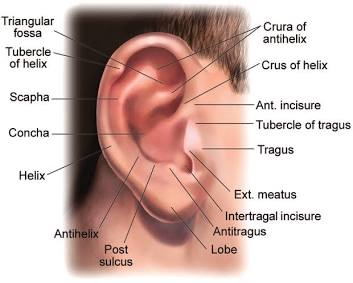
This feature is almost always structural and stems from one or both of these primary anatomical factors:
- Underdeveloped Antihelical Fold: The Y-shaped curved cartilage fold inside the upper ear fails to fold back properly during fetal development, causing the outer rim (helix) to stick outward.
- Conchal Hypertrophy: An overdeveloped or deep central cartilage bowl (concha) that projects the entire ear structure away from the skull.
While medically harmless, such ears can be reshaped if a child or family seeks correction for personal comfort or cosmetic reasons.
What Is the Best Age to Get Your Ears Pinned Back?
Most surgeons recommend otoplasty between 5 and 7 years of age, with some flexibility on either side depending on the child. This recommended window is based on specific anatomical and developmental milestones:
- Cartilage development: By around age 5, the ears have reached approximately 85 to 90% of their adult size, which means correction at this age tends to hold well as the child grows.
- Cooperation with recovery: A child of this age is generally able to follow simple post-operative instructions, such as wearing a protective headband and avoiding rough play during healing.
- Timing before social awareness intensifies: Correcting prominent ears before primary school often spares a child from the teasing that can develop in the early school years.
Alternative Timing Windows
- Newborns (0 to 6 weeks): During the immediate neonatal period, circulating maternal estrogen keeps infant cartilage extremely soft. Non-surgical ear moulding devices (e.g., the EarWell system) can effectively reshape minor ear deformities without surgery. Once this brief window passes and maternal estrogen levels drop, cartilage hardens, making moulding ineffective.
- Older Children, Teens, & Adults: Otoplasty can be performed safely at any point past early childhood. If the early childhood window passes, surgery remains an option whenever the individual feels ready.
When to Consider Otoplasty for Your Child
A consultation with a plastic surgeon may be appropriate if you observe the following indications:
- Expressed Self-Consciousness: Your child regularly covers their ears, avoids tied-back hair, or voices concern about how their ears look.
- Social Distress: Your child reports distress due to comments or teasing at school, affecting their confidence or daily interactions.
- Pronounced Structural Prominence: The ear projection is significant and unlikely to change with further growth.
- Shared Decision-Making: The decision has been discussed thoughtfully within the family, and the child expresses a desire for correction.
The goal of paediatric otoplasty is never to “fix” your child. It is to give them the option of letting go of something that may be shaping how they feel about themselves.
When Waiting Is the Appropriate Choice
Equally, not every case calls for surgery, and there are good reasons to wait.
- Mild Prominence Without Child Concern: If the prominence is subtle and your child has expressed no discomfort or self-consciousness, treatment is unnecessary.
- Younger Children Unable to Express Preference: When a young child cannot participate in the discussion, waiting until they can voice their own feelings yields better long-term satisfaction.
- Major Life Transitions: If your family is navigating significant events such as major exams, school transfers, or family moves, postponing surgery allows for a calmer recovery period.
During a clinical assessment, Dr Lee Hanjing evaluates both anatomical characteristics and emotional readiness. Recommending a period of observation is just as common as proceeding with surgery.
Understanding the Otoplasty Procedure
Otoplasty, also known as ear pinning, is typically performed under general anaesthesia in children and takes around one to two hours. The surgeon makes a small incision behind the ear, reshapes the cartilage to create or refine the antihelical fold, and, where needed, repositions the ear closer to the head. The incision is hidden in the natural crease behind the ear, and the scar settles well over time.
Recovery tends to be gentler than parents expect. A protective headband is worn for one to two weeks; any discomfort is mild and easily managed with simple pain relief, and most children are back at school within a week. Active play, swimming and contact sports are usually paused for several weeks while everything settles, and our team will walk you through what to expect at each stage so nothing comes as a surprise.

What Are the Risks of Ear Pinning?
The main risks of otoplasty include:
- Infection, which is uncommon with proper aftercare
- Bleeding or haematoma (a collection of blood under the skin)
- Asymmetry between the two ears
- Visible scarring, usually well concealed behind the ear
- A small chance that the correction relaxes slightly over time and may benefit from refinement
In experienced hands, otoplasty is considered one of the safer paediatric plastic surgery procedures, with high satisfaction rates among both children and parents. One of the most important factors in minimising risk is choosing a surgeon experienced in paediatric otoplasty, who will tailor the technique to your child’s specific anatomy rather than applying a single approach to every ear.
Discussing Otoplasty with Your Child
The emotional side of this decision often matters as much as the clinical one, and it is worth giving it a little space. Children old enough to understand should be part of the conversation, not surprised by it. An age-appropriate explanation of what the surgery involves and why the family is thinking about it sets a calmer tone than presenting a decision already made. A thoughtful consultation can also help, allowing the child to ask their own questions and feel informed rather than acted upon.
Supporting Your Child's Confidence, Whatever You Decide
Otoplasty is a safe, effective option for children with prominent ears, and the recommended age range exists for good reasons. But the decision is not only about anatomy. It is about what the child wants, what the family is comfortable with, and what timing makes sense for the life around them. Whether you choose surgery now, surgery later or no surgery at all, the most important thing is that your child feels supported through the conversation itself.
If you have begun to wonder whether ear otoplasty in Singapore might be right for your child, a consultation with Dr Lee Hanjing at Argent Plastic Surgery offers an honest, no-pressure conversation about whether it is the right choice, and when. Argent Plastic Surgery also offers a broader range of paediatric plastic surgery, including craniofacial surgery and laceration repair in children after accidents.