
MonaLisa Touch in Singapore

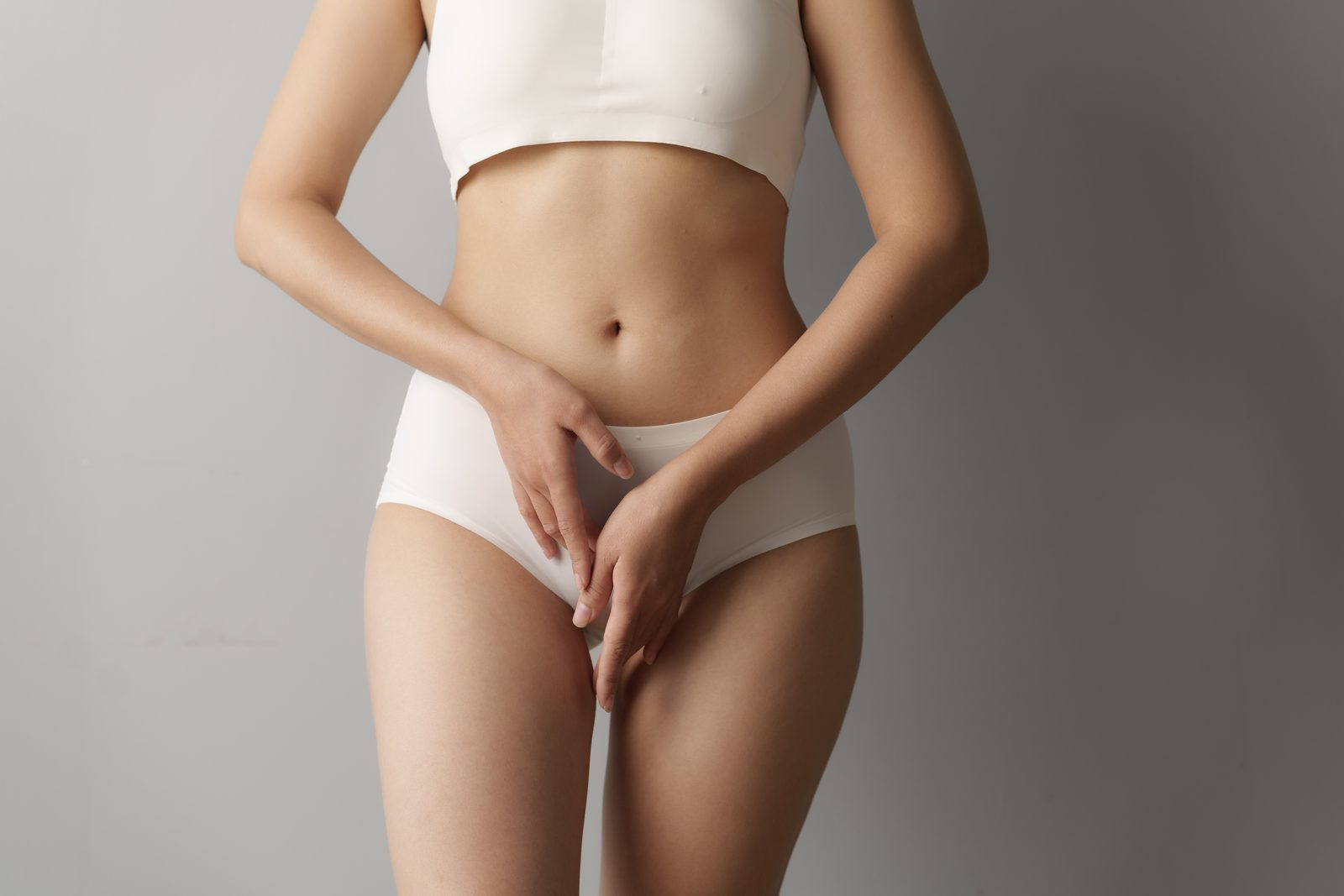
Woman in white underwear with hands over the pelvic area, representing MonaLisa Touch vaginal laser treatment

MonaLisa Touch is a fractional CO₂ laser treatment for the vaginal and vulvar tissue. It is used for two groups of concerns: vaginal laxity after childbirth or with age, which can bring vaginal flatulence (“vaginal wind”) and reduced sensation during intercourse, and the dryness and discomfort that can follow menopause. At Argent Plastic Surgery, Dr Lee Hanjing, a female plastic surgeon practising at Mount Alvernia Hospital, offers it as one of several options for these concerns.

Intimate concerns are often carried quietly for years. Many women are told that changes after childbirth are simply part of having children, or that symptoms after menopause are part of getting older, and many never mention them at all. Consultations at Argent are private and unhurried, so you can describe what is happening plainly and leave with a clear view of every option, surgical and non-surgical.

What Is MonaLisa Touch?

MonaLisa Touch was developed by DEKA, an Italian laser manufacturer. A slim probe is placed in the vagina and delivers CO₂ laser energy in a grid of microscopic dots. Each dot removes a tiny column of surface cells and gently heats the tissue beneath, while the skin between the dots, around 80% of the treated surface, is left intact to support healing.

The aim is to prompt the vaginal wall to be repaired by building new collagen and elastic fibres, thickening the surface layers, and improving blood supply. Laboratory studies by the groups who developed the technique have shown a thicker vaginal lining after treatment. Outcomes vary from woman to woman.

What Is Vaginal Laxity?

Vaginal laxity is a feeling that the vagina has become looser or wider than before. It is one of the most common intimate concerns women raise after childbirth, and it can affect women of any age, not only those approaching menopause.

The vagina and the muscles around it are designed to stretch. Vaginal birth, particularly after several deliveries, a large baby, an assisted delivery or a tear, can stretch the vaginal wall, the tissue at the entrance and the pelvic floor muscles beyond the point where they fully recover. With age, the collagen and elastic fibres that give the vaginal wall its firmness also gradually decline. Weight changes and long-term straining, such as chronic constipation or a persistent cough, can add to this.

Women describe vaginal laxity in different ways:

  • a loose feeling, or reduced friction during intercourse
  • reduced sensation during intercourse, for themselves or their partner
  • vaginal wind: air drawn into the vagina and released with a sound during intercourse, exercise or yoga
  • difficulty keeping a tampon in place
  • feeling less confident or less comfortable during intimacy

These changes are physical, not imagined, and they are worth raising with a doctor. Some of the same symptoms can also come from pelvic organ prolapse, where the bladder, bowel or womb presses into the vaginal wall. Hence, an examination is the first step before any treatment is chosen.

What Is Genitourinary Syndrome of Menopause?

Genitourinary syndrome of menopause (GSM), previously called vaginal atrophy, describes the changes to the vagina, vulva and bladder that follow a fall in oestrogen. It can occur after natural menopause, after surgery to remove the ovaries, or during treatments such as chemotherapy, tamoxifen or aromatase inhibitors.

As oestrogen falls, the vaginal lining becomes thinner, drier and more fragile. Its natural folds flatten, and vaginal pH rises from its usual acidic range of about 3.5 to 5 towards 6 or higher. Common symptoms include:

  • vaginal dryness, itching or burning
  • pain or discomfort during intercourse
  • light bleeding after intercourse
  • recurrent urinary tract infections
  • needing to pass urine more urgently or more often

Up to 40% of postmenopausal women experience symptoms of this kind, and only around a quarter seek medical help (Bachmann and Nevadunsky, 2000). Unlike hot flushes, GSM tends to persist or progress over time if left untreated.

Hands framing a red paper origami shape, representing vaginal health and MonaLisa Touch treatment

Common Reasons Women Ask About MonaLisa Touch

Looseness, Vaginal Wind and Reduced Sensation Before Menopause

Many women who ask about MonaLisa Touch are in their thirties or forties, have had children, and are not menopausal. Their concerns are looseness, vaginal wind and reduced sensation during intercourse rather than dryness. For mild laxity, MonaLisa Touch may be discussed alongside pelvic floor physiotherapy. Where the vaginal entrance has widened, or the muscles have separated after a tear, vaginoplasty or perineoplasty is more likely to address the cause. After an examination, Dr Lee will explain what applies to you.

Vaginal Dryness and Discomfort During Intercourse

This is a common reason women consider MonaLisa Touch after menopause, usually once moisturisers, lubricants or vaginal oestrogen have not helped enough. It is the use for which the treatment was first designed.

Mild Prolapse and Discomfort During Intercourse

Pelvic organ prolapse happens when the bladder, bowel or womb gently descends and presses into the vaginal wall. It is common after childbirth and with age, and some women notice a sense of fullness or heaviness. Others find that sexual intercourse has become less comfortable than it used to be, sometimes because the cervix now sits slightly lower in the vagina and is reached more easily during deeper penetration.

Laser is not a standard treatment for prolapse, and it does not lift or repair the prolapse itself. That said, some women with mild prolapse may notice that intercourse feels more comfortable after a course of MonaLisa Touch, particularly where thin or dry vaginal tissue is contributing to the discomfort. The prolapse itself is usually managed with pelvic floor physiotherapy, a vaginal pessary or, where needed, surgical repair.

Bladder Leakage: Stress and Urge Incontinence

Stress incontinence is leakage when you cough, sneeze, laugh, run or lift. Urge incontinence is a sudden, strong need to pass urine that is hard to hold back. Many women have some of both, particularly after childbirth and menopause.

While vaginal lasers are sometimes discussed for bladder leakage, they are not a standard treatment for incontinence. Supervised pelvic floor muscle training is the established first-line approach for stress leakage, and bladder retraining is used for urge symptoms. Vaginal oestrogen can also help manage urgency and recurrent infections related to menopause. Dr Lee will assess your specific symptoms and recommend or refer you to a continence physiotherapist or urogynaecologist where appropriate.

Symptoms After Breast Cancer Treatment

Women who have had breast cancer, or who take hormone-blocking medications such as tamoxifen or aromatase inhibitors, often experience severe vaginal dryness and discomfort due to sudden estrogen suppression. Because traditional local estrogen treatments are frequently restricted for hormone-sensitive cancer survivors, these women are often left with very few options. For patients who cannot use hormonal therapies, a non-hormonal laser option like MonaLisa Touch is worth discussing, ideally together with their oncologist.

MonaLisa Touch vs Other Treatment Options

OptionGenerally suited toWhat to know
Vaginal moisturisers and lubricantsMild dryness and discomfort during intercourseNon-hormonal, available without prescription, used regularly
Low-dose vaginal oestrogenGSM symptoms, including urgency and recurrent infectionsStrongest evidence for GSM; may not suit everyone after breast cancer
Pelvic floor physiotherapyStress leakage, looseness, vaginal windEstablished first treatment for stress incontinence; needs regular practice over months
MonaLisa TouchMild laxity alongside pelvic floor physiotherapy; GSM symptoms not controlled by the above, or where hormones are not suitableCourse of sessions, little downtime; small trials suggest benefits for laxity lasting around three months
Vaginoplasty or perineoplastyModerate to significant laxity, a widened vaginal entrance or muscle separation after childbirth tearsSurgical, under general anaesthesia; intercourse usually resumes after 4 to 6 weeks.

Dr Lee will explain which of these fits your situation and may recommend a less involved approach where appropriate.

Who Is Suitable for MonaLisa Touch?

MonaLisa Touch may be considered if you:

  • have mild vaginal laxity, vaginal wind or reduced sensation after childbirth or with age, and are doing or have tried pelvic floor exercises
  • have GSM symptoms that persist despite using moisturisers, lubricants or vaginal oestrogen
  • have been advised to avoid hormonal treatment, for example after breast cancer
  • prefer not to use hormonal treatment
  • understand that any benefit may be modest and temporary, and may need maintenance sessions

It is less likely to help where there is significant laxity, pelvic organ prolapses or muscle separation, which are better assessed for surgery. It is not suitable if you have an active genital infection such as thrush or herpes, are pregnant, have unexplained vaginal bleeding, or have an abnormal cervical screening result that has not been followed up. Suitability is confirmed at consultation.

What to Expect During MonaLisa Touch Treatment

Consultation

A full history of your symptoms, health, and previous treatments will be taken by Dr Lee, followed by an examination with a female chaperone present. Signs of prolapse or muscle separation will be checked, your cervical screening status confirmed, and suitable options discussed prior to planning treatment.

During Treatment

Each vaginal session takes around five minutes in the clinic. Anaesthetic is not usually required. Most women describe warmth or a mild vibrating sensation; some find it uncomfortable, particularly at the first session, and you can pause treatment at any time. If the outer vulvar skin is treated, numbing cream is applied beforehand.

A course is typically three sessions, spaced four to six weeks apart. Dr Lee may adjust the number of sessions and settings depending on whether you are being treated for laxity or for menopause symptoms.

After Treatment

You can return to work and normal daily activities the same day. Dr Lee will review your progress before each session and again a few months after the course. Some women choose a single maintenance session each year.

Recovery and Aftercare

  • First 24 to 48 hours: mild redness, swelling or a watery discharge, and possible light spotting.
  • Days 1 to 3: avoid intercourse.
  • Days 1 to 4: avoid baths, swimming, heavy lifting and strenuous exercise.
  • Throughout: wear loose cotton underwear and avoid tight trousers or tights for a few days.

Contact the clinic if you notice heavy bleeding, worsening pain, fever or an unusual discharge.

Risks and Considerations

Side effects are usually mild and short-lived, and may include redness, swelling, discharge, light spotting, and temporary itching, burning or discomfort when passing urine. Infection and scarring are uncommon. Some women notice little or no change after a full course, and any improvement in laxity or sensation may fade within months. Dr Lee will discuss risks in full at consultation.

Cost of MonaLisa Touch in Singapore
The cost of MonaLisa Touch depends on the concern being treated, the number of sessions, whether the outer vulvar skin is also treated, and consultation and review fees. As an elective treatment, it is generally not claimable under MediSave or covered by insurance. A personalised estimate is provided at consultation.

Frequently Asked Questions About MonaLisa Touch

* Please note that for cosmetic procedures, the Ministry of Health (MOH) requires a minimum one-week cooling period between the initial consultation and surgery for all Singapore residents. Exceptions may apply for minor procedures performed under local anaesthesia, subject to clinical assessment.

References

  1. Li FG, et al. Effect of fractional carbon dioxide laser vs sham treatment on symptom severity in women with postmenopausal vaginal symptoms. JAMA. 2021;326(14):1381–1389.
  2. Page AS, et al. Laser versus sham for genitourinary syndrome of menopause: a randomised controlled trial. BJOG. 2023;130(3):312–319.
  3. Jaber S, et al. CO₂ laser therapy for genitourinary syndrome of menopause in women with breast cancer: a randomized, sham-controlled trial. Cancers. 2025;17(7):1241.
  4. Alexander JW, et al. CO₂ surgical laser for treatment of stress urinary incontinence in women: a randomized controlled trial. Am J Obstet Gynecol. 2022;227(3):473.e1–473.e12.
  5. Temtanakitpaisan T, et al. Fractional CO₂ laser treatment for women with stress-predominant urinary incontinence: a randomized controlled trial. Int Urogynecol J. 2023.
  6. US Food and Drug Administration. FDA warns against use of energy-based devices to perform vaginal “rejuvenation” or vaginal cosmetic procedures. 30 July 2018.
  7. Bachmann GA, Nevadunsky NS. Diagnosis and treatment of atrophic vaginitis. Am Fam Physician. 2000;61(10):3090–3096.
  8. Lauterbach R, et al. CO₂ laser maintenance treatment for vaginal looseness in premenopausal women: a randomized, sham-controlled trial. J Sex Med. 2022;19(9):1404–1411.
  9. Sathaworawong A, et al. The efficacy of erbium-doped yttrium aluminum garnet (Er:YAG) laser in the treatment of decreased sexual sensation: a randomized, placebo-controlled trial. Lasers Med Sci. 2022;37(1):581–588.