CO2 Laser Resurfacing in Singapore
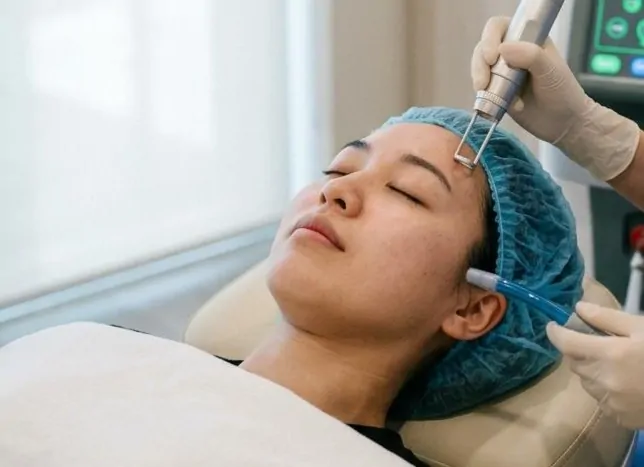
Fractional CO2 laser resurfacing skin rejuvenation treatment that works by delivering energy in a precise grid of microscopic points. By gently vaporising tiny columns of damaged surface tissue while leaving the surrounding skin completely untouched, it signals the body to kickstart natural healing and produce fresh collagen. It is used for acne scars, surgical scars, fine lines, uneven texture and some benign skin spots. At Argent Plastic Surgery, treatment is carried out by Dr Lee Hanjing, a female plastic surgeon practising at Mount Alvernia Hospital, using the DEKA Tetra Pro CO2 laser.
The Tetra Pro is the same laser platform used for MonaLisa Touch. For the face, it uses separate handpieces and settings, from light surface treatments with a few days of recovery to deeper resurfacing for scars.
What Is Fractional CO2 Laser Resurfacing?
A CO2 laser produces light at a wavelength of 10,600 nm, which is absorbed by water in the skin. Each pulse vaporises a tiny column of tissue and gently heats the skin around it. As the skin repairs these microscopic wounds, it produces new collagen and replaces the surface layer.
The word "fractional" means that only a fraction of your skin is treated during each session (ranging anywhere from under 2% to full coverage). Because healthy skin bridges are left intact between the laser dots, healing happens much faster and safer than traditional full-face laser peels.
Common Reasons for CO2 Laser Treatment
1. Treating Acne Scars
Depressed acne scars, such as rolling and boxcar scars, respond exceptionally well to fractional resurfacing. The handpiece uses a smaller spot size to penetrate deeper into scar tissue with lower overall energy. Improvements build gradually over several months as new collagen fills in the depressed areas.
2. Smoothing Surgical and Injury Scars
For scars resulting from past trauma or surgery, fractional laser resurfacing helps soften rigid scar texture and blend uneven pigment irregularities.
3. Softening Fine Lines, Texture and Enlarged Pores
Ageing and sun exposure deplete dermal collagen, causing fine lines, rough skin, and enlarged pores. Resurfacing helps smooth these out. (Note: For deep wrinkles or significant facial sagging, procedures like collagen stimulators, thread lifts, or surgical face lifts are often more suitable.)
4. Refreshing Dull Skin and Uneven Tone: CoolPeel™
CoolPeel is a light treatment on the Tetra Pro that targets only the very top layer of the skin, using the short superficial pulse and spray mode. A session takes about 5 to 15 minutes, and recovery is shorter than with deeper resurfacing: around 1 to 2 days at gentle settings and up to 4 to 5 days at stronger settings. It is used for dullness, uneven tone and early fine lines.
5. Removing Benign Skin Lesions
Using a freehand handpiece, the laser can remove certain benign growths layer by layer, such as seborrhoeic keratoses, skin tags, small papillomas, xanthelasma (yellowish deposits on the eyelids) and some raised moles. Any spot that may be a skin cancer is examined and biopsied where needed before any laser treatment. Larger or suspicious lesions are usually better removed surgically so they can be examined under a microscope. See also Lumps and Bumps.
CO2 Laser Resurfacing for Asian Skin
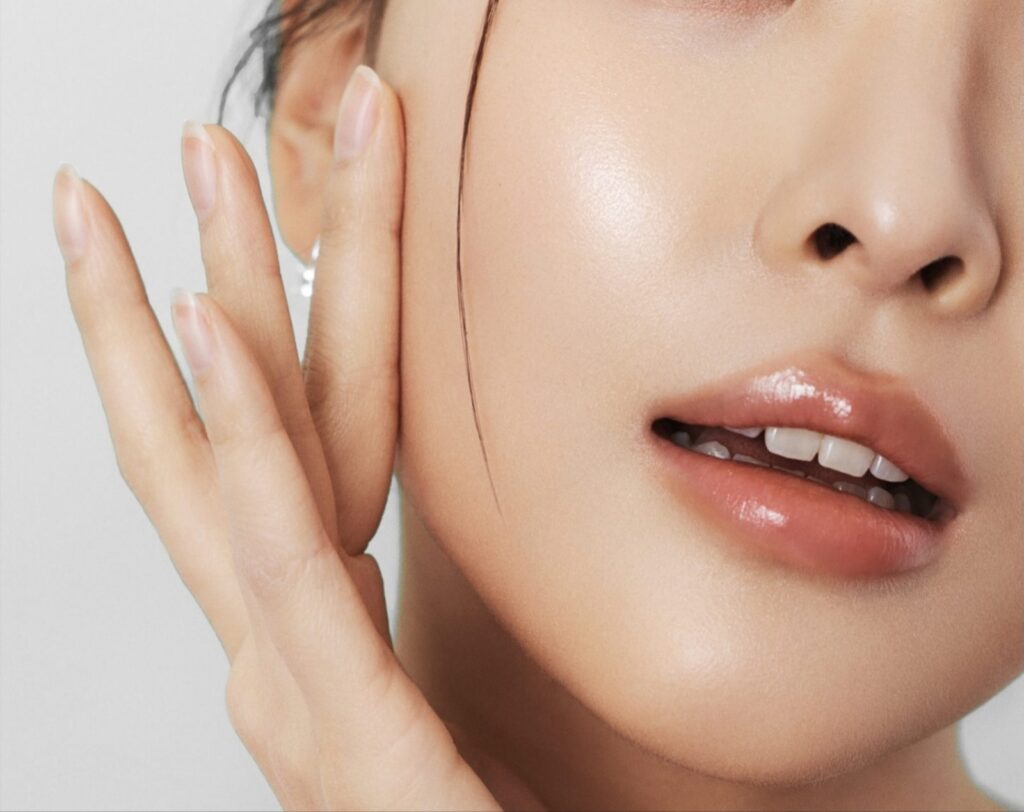
Because Asian skin contains higher melanin activity, it can be more prone to Post-Inflammatory Hyperpigmentation (PIH), a temporary darkening of the skin while healing. In clinical evaluations of Asian patients treated for acne scars, most cases showed mild darkening that faded naturally over an average of five weeks. (Manuskiatti et al., 2010).
To ensure safety, Dr Lee carefully customises the laser’s density and energy levels for your specific skin tone, may recommend pre-treatment skin conditioning, and prescribes strict sun protection protocols before and after your session.
What to Expect During CO2 Laser Treatment
Consultation
Dr Lee assesses your skin type, the concern you would like to treat and your medical history, and examines any spots to be removed. She will recommend the type and depth of treatment, the number of sessions, and the recovery to plan for, and explain how to prepare your skin.
During Treatment
Numbing cream is applied for around 30 to 60 minutes before resurfacing. Cooling may be used during treatment. Most patients describe a prickling, warm sensation. CoolPeel itself takes about 5 to 15 minutes, while full-face resurfacing usually takes around 15 to 30 minutes after numbing.
After Treatment
Your skin may feel warm and look flushed, like a sunburn, for a few hours. Over the following days, it may swell slightly, then darken and flake as the treated surface is replaced. Fractional resurfacing is usually done as a course of one to three sessions, spaced about one to two months apart. CoolPeel may be repeated more often.
Recovery and Aftercare
- First 24 to 48 hours: redness, warmth and mild swelling. Keep the skin clean and apply the moisturiser or ointment as advised.
- Days 2 to 7: fine bronzing and flaking as the skin renews. Do not pick or scrub. Make-up can usually be worn once the skin has stopped flaking.
- Weeks 1 to 4: pinkness gradually fades. Avoid retinoids, exfoliating acids and facial treatments until Dr Lee advises.
- Throughout: use a broad-spectrum sunscreen daily and avoid direct sun, which is the most important step in reducing the risk of darkening.
Recovery after CoolPeel is shorter, typically 1 to 5 days depending on the strength used.
Frequently Asked Questions About CO2 Laser
* Please note that for cosmetic procedures, the Ministry of Health (MOH) requires a minimum one-week cooling period between the initial consultation and surgery for all Singapore residents. Exceptions may apply for minor procedures performed under local anaesthesia, subject to clinical assessment.
References
- Manuskiatti W, et al. Efficacy and safety of a carbon-dioxide ablative fractional resurfacing device for treatment of atrophic acne scars in Asians. J Am Acad Dermatol. 2010;63(2):274–283.
- DEKA Clinical Research & Practice Department. CO2 Laser in Dermatological Applications: Bibliographic Atlas, Rev. 1.0. November 2023.