- Looking tired despite adequate sleep usually points to a structural change in the face.
- Eye bags, ptosis, brow descent, and volume loss each produce a distinct appearance and have different underlying causes.
- The treatment approach is determined by the underlying factors present in a patient's condition. Addressing upper lid skin when ptosis is the actual problem, for example, tends to produce an incomplete result.
- Each cause has a corresponding surgical option. A personalised assessment determines which approach, if any, is appropriate.
Vaginoplasty, labiaplasty, and non-surgical treatments marketed as “vaginal rejuvenation” are often grouped together, but they address entirely different concerns. They are not interchangeable.
This guide breaks down what vaginoplasty physically does, who it is suitable for, what the recovery timeline looks like, and when it may not be the right choice.
What Is Vaginoplasty?
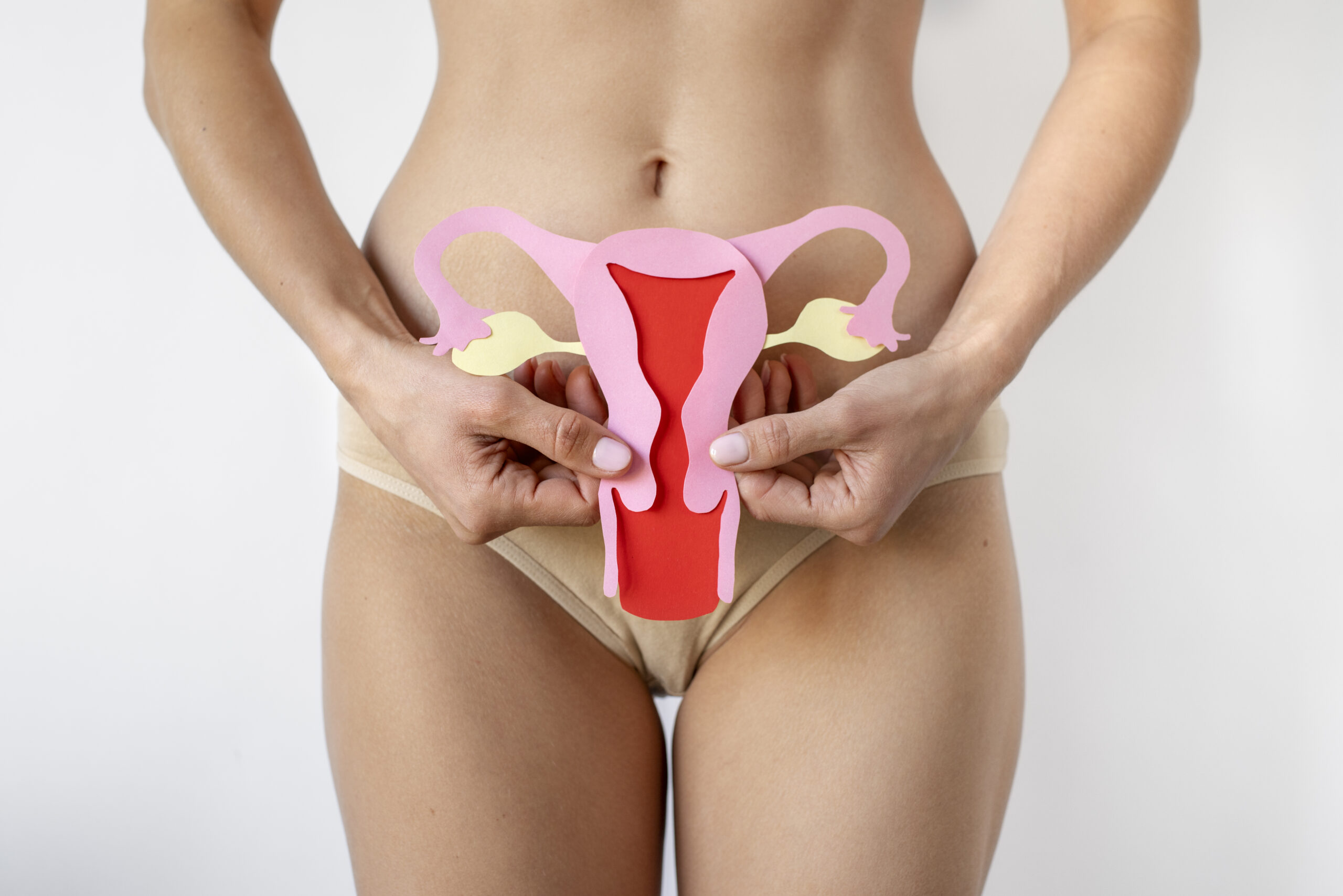
Vaginoplasty is a surgical procedure that repairs and tightens the vaginal canal and the supporting tissue around it, usually where those structures have stretched or separated. It addresses underlying structural laxity rather than cosmetic appearance.
Women who seek evaluation often report a persistent feeling of looseness, reduced friction during intimacy, or laxity that has not resolved with time or targeted pelvic floor exercises.
It is not the same operation as labiaplasty, which reshapes the external labia and has different indications entirely. Patients frequently arrive asking for one when they mean another, which is why careful assessment matters more than the name of the procedure they walk in with.
| Treatment Type | Focus Area | Primary Function |
|---|---|---|
| Vaginoplasty | Internal vaginal canal & muscle structures | Structural repair and tightening |
| Labiaplasty | External labia (minora/majora) | Reshaping external tissue |
| Non-Surgical Rejuvenation | Surface mucosa | Temporary collagen stimulation |
How Does Vaginoplasty Work?
Vaginoplasty restores support by bringing separated pelvic muscle layers back together. Childbirth, particularly involving larger birth weights, instrumental delivery, or multiple births, can separate the muscle and connective tissue along the back wall of the canal.
- The Surgical Procedure: The surgeon brings separated muscle layers together, secures them, removes excess vaginal lining, and repairs the perineum where thinning or scarring from episiotomies or tearing has occurred.
- Duration & Anaesthesia: Performed under general or regional anaesthesia, taking approximately 1 to 2 hours.
- Visibility: External scarring is minimal and confined to the perineal region.
Because the operation acts on the underlying muscle and tissue rather than surface layers, it provides long-lasting structural support that energy-based treatments generally cannot match.
Who is Suitable for Vaginoplasty?
Suitability for vaginoplasty treatment is best framed around symptoms rather than appearance, since that is what most patients present with. The common presentations are:
- Laxity following vaginal childbirth, particularly after larger babies, instrumental delivery or multiple births, where the sensation has persisted well beyond the postnatal period
- Reduced sensation during intimacy
- Discomfort, or a sense of air entering the vagina
- Tissue that feels thinned, altered or scarred at the perineum after tearing or episiotomy
Patients who have completed their families tend to be better candidates, since a subsequent vaginal delivery can undo the repair.
It is not always the right starting point:
- For milder symptoms, as a supervised course of pelvic floor physiotherapy can help, and some women find it sufficient on its own. Surgery addresses what physiotherapy cannot reach, which is separated muscle and excess tissue rather than weak muscle tone.
- Anatomy that is causing no symptoms does not require correction, and no one should be assessed against an ideal.

Vaginoplasty Recovery Timeline
The vaginoplasty recovery timeline unfolds in stages:
Healing occurs in structured phases over several weeks. Planning for support at home—especially for those caring for young children—helps ensure a smoother recovery.
- Weeks 1 to 2: Expect localised swelling, tenderness, and a feeling of tightness. Pain management is provided, and most patients take 1 to 2 weeks off work depending on physical activity levels.
- Weeks 2 to 6: Daily activities can be resumed gradually. Avoid heavy lifting, strenuous exercise, and swimming.
- Around Week 6: A follow-up review determines whether tissue healing is sufficient to safely resume sexual intimacy.
- Long-Term Healing: Subtle residual swelling continues to settle over several months before the final structural result is fully realised.
The Risks Worth Understanding
While vaginoplasty is a well-established procedure performed under controlled surgical conditions, just like any surgical procedure, understanding potential complications is a key part of making an informed decision.
Common Surgical Risks
- Bleeding
- Infection
- Wound separation at the perineum
- Prolonged swelling
Less common issues carry more consequential effects:
- Scarring that causes discomfort during intimacy
- Altered sensation
- Over-tightening, which is difficult to correct and is the main reason for conservative surgical planning from the outset
Revision surgery in this area is harder than primary surgery, which is why the quality of the assessment matters as much as the technique.
When Surgery Is Postponed or Not Recommended
There are situations where the honest answer is not yet, or not at all:
- Future Childbirth Plans: Patients planning future vaginal deliveries are generally advised to wait, as subsequent births can disrupt the structural repair.
- First Year Post-Childbirth: Tissues need time to settle naturally, and pelvic floor rehabilitation should be completed first.
- Urogynecological Issues: Conditions like urinary incontinence or true pelvic organ prolapse require specialised medical assessment, not standard cosmetic or contouring procedures.
- External Pressures: Decisions should be driven solely by personal physical comfort and well-being, rather than external expectations.
What a Consultation Involves
Uncertainty about the examination itself deters many women from booking at all, so it is worth being clear about what happens. The appointment covers a discussion of symptoms and obstetric history, a physical examination, and an honest conversation about whether surgery or physiotherapy is the appropriate starting point.
For women in Singapore seeking an evaluation, medical consultations at Argent Plastic Surgery are conducted by Dr Lee Hanjing, a female plastic surgeon. This setting offers a private environment to discuss your symptoms and evaluate both surgical and non-surgical treatment pathways. Dr Lee’s practice covers the full range of women’s plastic surgery, from post-childbirth and post-weight-loss procedures to reconstructive work, and that breadth means the conversation can consider surgical and non-surgical options together.
Understanding the Procedure Before Deciding On It
Vaginoplasty works by repairing the muscles and tissues that support the vaginal canal, addressing structural laxity rather than the external anatomy that labiaplasty reshapes or the muscle tone that pelvic floor physiotherapy strengthens. The useful first step is to establish what is actually causing the symptoms, since each of those treatments addresses a different problem.
If you have been considering whether a vaginoplasty procedure is right for you, a private consultation with Dr Lee Hanjing at Argent Plastic Surgery is a place to discuss your symptoms and think it through.