
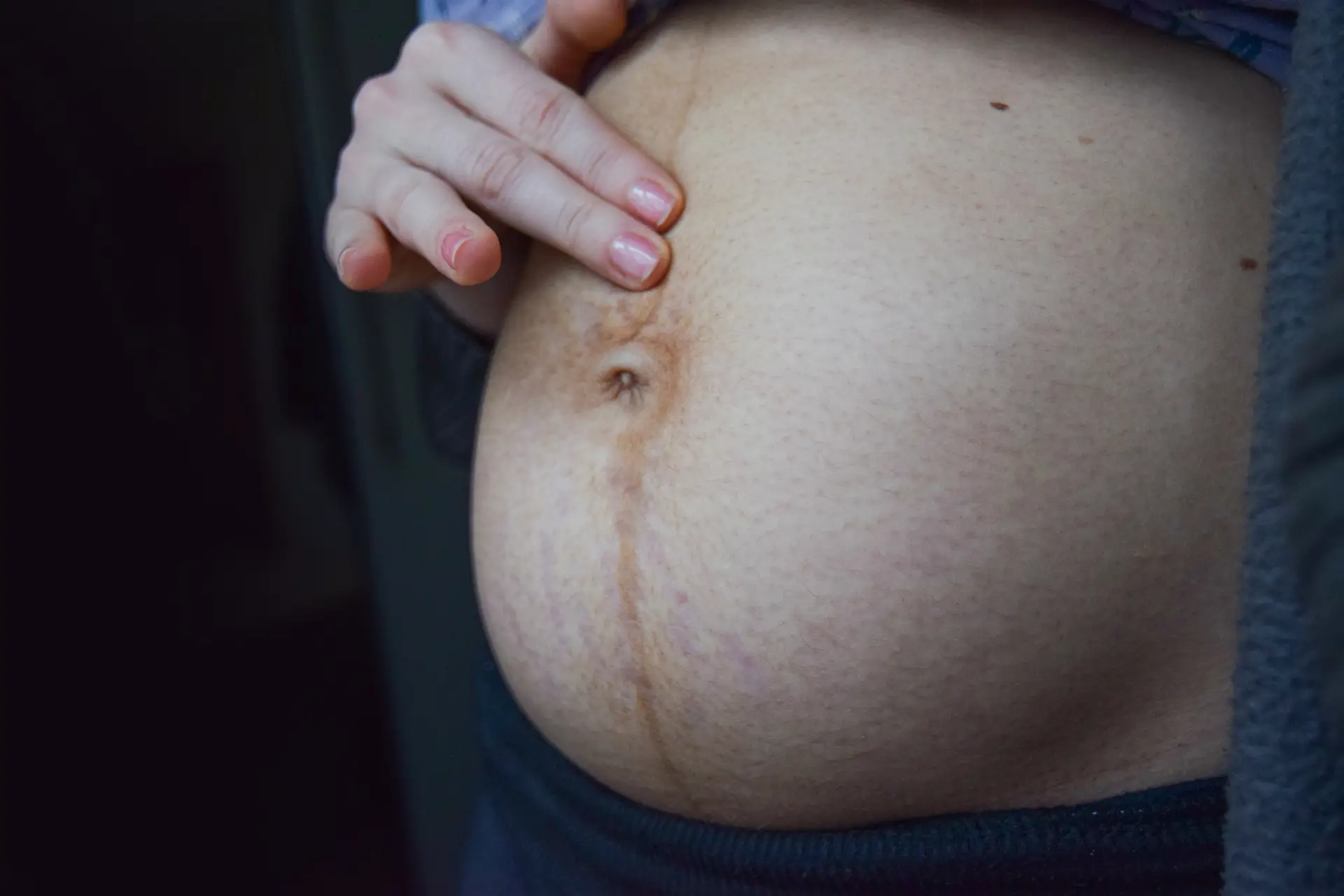
- Diastasis recti is a common postpartum condition that often causes core weakness, back pain, and a lingering belly bulge.
- It can be treated with targeted physiotherapy, non-surgical treatments, or surgery in more severe cases.
What Is Diastasis Recti?
How to Tell if You Have Diastasis Recti?
You might notice a bulge or dip down the middle of your abdomen when doing something as simple as sitting up in bed. This is especially visible when the core is engaged.
You can test for it by lying on your back, knees bent, and gently lifting your head. If your fingers sink into a gap along the midline of your stomach, that’s a sign you may have diastasis recti.
Other symptoms may include a weak core, low back pain, pelvic floor issues, or a general feeling of instability in your midsection.
Complications of Diastasis Recti
- Chronic back pain
- Postural issues
- Pelvic dysfunction (including incontinence)
- Increased risk of hernias (in more severe cases)
Why Pregnancy and Postpartum Can Cause Diastasis Recti
Pressure From the Growing Belly
Hormonal Changes
Pregnancy hormones like relaxin and progesterone help your body soften and stretch in preparation for labour. That’s essential, but it also makes your connective tissues more vulnerable. The linea alba becomes more elastic and less able to hold the abdominal muscles in place.
Delivery and Recovery
However, giving birth doesn’t automatically resolve the separation. After delivery, your core muscles remain stretched and weakened. Without targeted rehabilitation, they may not recover on their own. And while cesarean births come with their own recovery challenges, diastasis recti can happen regardless of how you deliver.
Can Diastasis Recti Be Prevented or Treated in Singapore?
While some degree of abdominal separation is often unavoidable, it can be managed and improved through surgical and non-surgical methods.
Non-Surgical Treatments for Abdominal Tightening
For mild to moderate cases, a focused physical therapy program can restore function and reduce the gap between your abdominal muscles. These approaches retrain your body to engage the deep core and pelvic floor muscles correctly.
Supportive garments like abdominal binders may provide symptom relief early in postpartum recovery, but they don’t fix the separation.
Non-invasive skin-tightening treatments, such as high-frequency ultrasound or radiofrequency, may improve appearance in cases with excess skin. But these do not address the underlying muscle separation.
Surgical Repair With a Tummy Tuck (Abdominoplasty)
When conservative methods aren’t enough, especially in cases involving significant muscle separation, excess skin, or hernias, surgical correction via abdominoplasty (commonly called a tummy tuck) may be the most effective option.
A tummy tuck removes loose skin and fat from the lower abdomen and tightens the underlying abdominal muscles, including repair of rectus muscle separation (diastasis).
If you also have an umbilical hernia, which is a common companion to diastasis recti, it can be corrected during the same operation. Stretch marks located below the navel are often removed as part of the excised skin.
There are different types of abdominoplasty, from mini (targeting only the area below the navel) to extended or circumferential procedures. What’s right for you will depend on the extent of your diastasis and skin laxity.
However, not everyone is suitable for a tummy tuck. It’s often recommended to those who are in good health, have completed childbearing, and have a BMI under 30.
Considering a tummy tuck? Book a consultation with our plastic surgeon.
Physiotherapy and Core Exercises
Targeted core rehabilitation — not crunches or sit-ups — is typically the frontline treatment for most people with diastasis recti in Singapore. A physiotherapist can guide you through exercises that restore core function without increasing intra-abdominal pressure.
These exercises typically focus on the transverse abdominis (the deep corset-like muscle), diaphragmatic breathing, and pelvic floor coordination. Over time, consistent training can reduce the width of the abdominal gap, improve stability, and relieve secondary symptoms like back pain or pelvic heaviness.
Programs like postnatal Pilates or clinically-led rehab courses can be helpful, but you need to keep an eye on your diastasis to avoid making it worse with incorrect technique.
When to Seek Professional Help for Diastasis Recti in Singapore
Not every case of diastasis recti needs medical intervention in Singapore. For many, the separation resolves gradually with time and active movement. However, if symptoms persist or worsen, you should seek professional support.
Persistent Pain or Core Weakness
Visible Bulging or Poor Posture
A lingering abdominal bulge, sometimes called a “postpartum pooch,” can indicate unresolved separation. This isn’t just a cosmetic concern. The bulge often reflects poor core engagement and can contribute to postural changes — like increased curvature in the lower spine — that affect how you move and feel day-to-day.
When this visual sign is accompanied by changes in how you carry yourself or engage your core, it’s time to consult a physiotherapist, pelvic health specialist, or, in some cases, a surgeon.
Unsure where to seek help? Contact us for an assessment.
Impact on Confidence and Mental Health
Body image challenges after childbirth are complex. If the appearance or physical limitations of diastasis recti are interfering with how you see or feel about yourself, there’s no harm in seeking cosmetic treatment options.
Persistent abdominal changes can affect confidence, intimacy, and mental well-being, especially when your efforts at recovery don’t lead to visible or functional improvements.
There’s no minimum level of discomfort required to justify treatment. If it matters to you, that’s reason enough to explore your options. And there’s no pressure to decide immediately. A consultation isn’t a commitment to surgery.
By sharing your concerns and goals with a plastic surgeon, you can gain a clearer understanding of the available treatment options and make an informed choice about what’s right for you. Contact us here to get started.
Why Early Support Matters
While it’s never too late to address diastasis recti in Singapore, early assessment can quicken your recovery. Postpartum physiotherapists can screen for separation, provide customised exercises, and help you avoid movements that may worsen the condition. And if surgery becomes necessary, a documented rehab history can support your case, whether medically or insurance-wise.
Book a Consultation
If you’re experiencing symptoms of diastasis recti or simply want to understand your abdominal health better in Singapore, a consultation is a valuable first step.
During your appointment, we’ll assess your core function, discuss your concerns, and walk you through all appropriate treatment options: surgical and non-surgical.